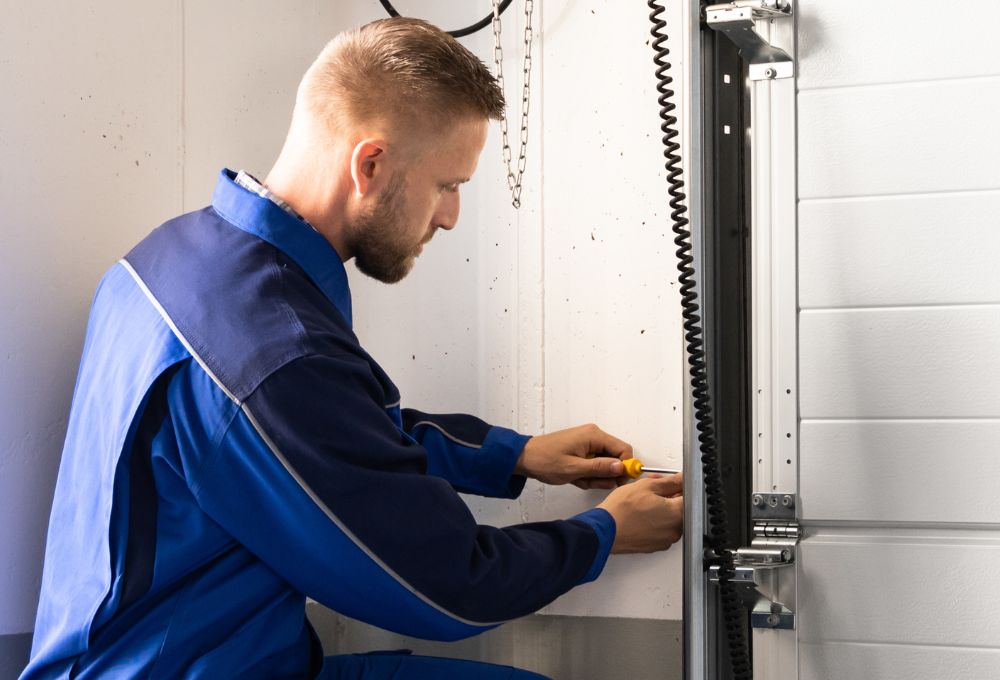
A loud grinding sound fills your garage every time you open or close the door. The noise makes you cringe and worry about what’s breaking inside. Your neighbors probably hear it too. This isn’t the smooth, quiet operation you expect from a well-maintained garage door system.
Grinding noises signal mechanical problems that get worse with every use. Something is rubbing, scraping, or wearing down inside your door mechanism. The sound might start quietly and grow louder over weeks. Sometimes it appears suddenly after years of normal operation.
This guide explains what causes these harsh sounds and where they come from. You’ll learn which parts typically create grinding noises and why they fail. We’ll cover how to identify the source of the problem. Most importantly, you’ll understand when to call for professional help before minor issues become major repairs.
What Grinding Noises Tell You About Your Garage Door
Grinding sounds indicate metal-on-metal contact or worn components that need lubrication. Normal garage doors operate with minimal noise because parts move smoothly together. When lubrication breaks down or components wear out, metal surfaces rub directly against each other. This friction creates the harsh grinding sound you hear. The noise tells you that protective coatings or lubricants have failed.
Different grinding patterns point to specific problems in your door system. A constant grinding throughout the entire opening cycle suggests roller or track issues. Grinding that happens only at certain positions indicates hinge or spring problems. Sounds coming from the opener unit mean motor or drive mechanism failures. Learning to identify these patterns helps pinpoint what needs immediate repair before damage spreads.
Ignoring these noises leads to expensive repairs or complete system failure eventually. A garage door grinding noise accelerates wear on surrounding components. One worn roller damages the track it runs on. A failing motor bearing puts stress on gears and belts. What starts as a simple lubrication problem becomes a major repair job. Acting quickly when you first hear grinding saves money and prevents dangerous breakdowns.
Common Causes of Garage Door Grinding Noises
Several mechanical issues create grinding sounds in garage door systems throughout Orange County. These problems develop gradually as parts wear from daily use. Understanding which components typically fail helps you recognize what needs attention. Most grinding noises come from just a few key areas in your door system.
Worn Rollers and Damaged Tracks
Metal rollers develop flat spots and rough surfaces over time from constant use. Each roller supports part of your door’s weight as it moves up and down. Steel rollers without proper lubrication grind against their shafts. The bearings inside wear out and create metal-on-metal contact. You’ll hear this grinding most clearly as the door moves through certain sections of track.
Tracks collect dirt, debris, and rust that cause grinding friction when rollers pass through. Even small obstructions create resistance and noise. Bent or dented tracks force rollers to grind against damaged metal. The vertical and curved sections of the track experience the most stress and wear out faster. Regular cleaning and inspection of track components prevents grinding before it starts.
Loose or Broken Chain Drives
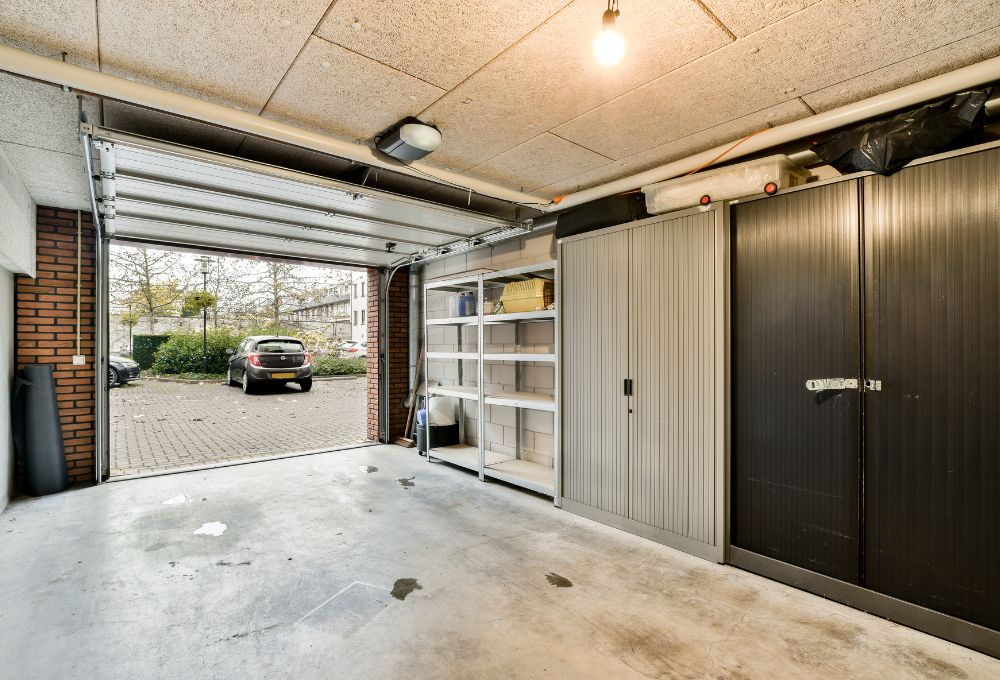
Chain-drive openers make grinding sounds when chains loosen or wear from years of operation. The chain needs proper tension to run smoothly over the drive sprocket. A loose chain slaps and grinds against the rail. Worn chain links develop rough edges that catch on the sprocket teeth. This creates a rhythmic grinding noise that matches the chain’s movement.
Damaged sprockets create metal grinding as the chain moves across worn teeth. The drive sprocket on your opener motor wears down from constant friction. Missing or broken teeth cause the chain to slip and grind. The idler sprocket at the other end also wears out and creates similar problems. A garage door grinding noise from the opener typically points to these drive components needing replacement.
Failed Bearings in Opener Motors
Motor bearings wear out and grind against metal housings inside the opener unit. These bearings support the motor shaft and allow smooth rotation. When bearings fail, the shaft wobbles and metal surfaces rub together. The grinding comes directly from the opener mounted on your ceiling. It might sound like the motor is struggling or working harder than normal.
Grinding from the opener unit indicates internal motor problems that need professional diagnosis. Failed bearings can seize completely and burn out the motor. Worn gears inside the gearbox also create grinding sounds under load. These internal failures require complete opener service or replacement, depending on severity. Continuing to operate a grinding motor causes additional damage.
How to Identify the Source of Grinding Sounds
Listen carefully to locate where the grinding comes from during door operation. Stand inside your garage and operate the door slowly. Pay attention to whether the sound comes from the door itself or the opener unit above. Notice if grinding happens throughout the entire cycle or only at specific points. The location and timing of the noise reveal which components are failing.
Check rollers, tracks, and hinges for visible wear or damage that creates friction. Look at each roller as the door moves to see if any wobbles or sticks. Run your hand along the inside of the tracks to feel for dents or rough spots. Examine hinges where sections connect for rust or loose bolts. A thorough inspection often reveals the exact source of your garage door grinding noise without any tools.
Test the door manually by disconnecting the opener to isolate problems. Pull the emergency release handle to disengage the trolley. Lift the door slowly by hand and listen for grinding sounds. If the noise persists without the opener running, the problem lies in the door mechanism itself. If the door moves quietly by hand but grinds when the opener runs, the motor or drive system needs repair.
Why You Shouldn’t Ignore Grinding Noises
Grinding accelerates wear on all connected components in your garage door system. One failing roller damages the track it runs along. Worn motor bearings put extra stress on drive gears and chains. The vibration from grinding loosens bolts and hardware throughout the door. What starts as a single problem quickly spreads to multiple components. Each time you operate the door, the damage gets worse, and repair costs increase.
Small problems become major repairs when left untreated for weeks or months. A roller that needs replacement today might destroy your track tomorrow. A loose chain that grinds will eventually break and require complete drive system service. Waiting turns a simple lubrication job into an expensive component replacement. The money you save by delaying repairs disappears when bigger failures happen. Professional attention at the first sign of grinding prevents these costly situations.
Safety risks increase as worn parts fail unexpectedly during normal operation. A garage door grinding noise often precedes complete mechanical failure. Springs break, cables snap, and rollers jump off tracks without warning. These failures can trap your car inside or outside the garage. Worse yet, they create serious injury hazards for anyone nearby. Addressing grinding sounds promptly protects your family and property from dangerous accidents.
Stop the Grinding and Restore Quiet Operation
Grinding noises require professional diagnosis and repair to prevent further damage. The causes range from simple lubrication needs to complete component replacement. Trained technicians identify the exact source quickly with their experience and tools. They carry the right parts to fix problems during the same visit. A garage door grinding noise won’t fix itself and always gets worse with continued use.
Expert technicians identify problems quickly and fix them properly the first time. They understand how all components work together in your door system. Professional repairs come with warranties that protect your investment. Attempting DIY fixes on grinding doors often makes problems worse or creates new safety hazards. The specialized knowledge and equipment professionals bring ensure lasting solutions instead of temporary patches.
Get your garage door operating smoothly and quietly again with professional service today. Every day you wait, the grinding causes more damage to expensive components. Your family deserves a safe, reliable garage door that works without harsh noises. Whether you need roller replacement, track repair, or opener service, expert help is available now. Contact us today to schedule your repair and eliminate that grinding noise for good.