A quiet garage door should operate almost silently. When grinding, squeaking, or scraping sounds start disrupting your morning routine, something has changed. A noisy door is more than just annoying. It signals that components are wearing out, misaligned, or in need of immediate attention. Ignoring these sounds can lead to more serious mechanical failures.
Different noises point to different problems. Grinding suggests metal-on-metal contact where lubrication has failed. Squeaking often means dry hinges or rollers crying out for maintenance. Rattling indicates loose hardware that needs tightening. Understanding what each sound means helps you address the root cause before a noisy door becomes a broken door.
This article breaks down the most common noisy door complaints and their solutions. You will learn what causes grinding and squeaking, which parts typically make noise, and when professional help becomes necessary. With the right approach, you can restore peaceful operation and protect your garage door system from further damage.
Common Causes of Noisy Door Operation
Garage doors make noise when moving parts experience friction or impact without proper cushioning. Fresh installations run quietly because every component is lubricated, aligned, and properly tensioned. Over time, vibration loosens hardware, lubricant dries out, and wear creates gaps. These changes transform smooth operation into a noisy door that disturbs the household and neighbors.
Environmental factors accelerate noise development. Dust and debris collect in tracks and on moving parts. Temperature changes cause metal to expand and contract, affecting alignment. Humidity breaks down lubricants faster in coastal areas. Even normal use creates wear patterns that eventually produce sound. A noisy door rarely fixes itself and typically gets louder without intervention.
The good news is that most noisy door problems have straightforward solutions. Regular maintenance prevents many noise issues from developing. When sounds do emerge, quick diagnosis and targeted repair restore quiet operation. Professional technicians can identify exactly which components cause noise and recommend the most effective fixes based on your door condition and budget.
Identifying Specific Noisy Door Sounds
Learning to distinguish between different noisy door sounds helps you understand what needs attention. Each type of noise has characteristic qualities and typical causes. By listening carefully to when and how your door makes noise, you can narrow down the problem before calling for service. This knowledge also helps you explain issues clearly to technicians.
Grinding and Metal-on-Metal Sounds
Grinding creates a harsh, grating sound that suggests serious friction. This noisy door symptom often comes from worn rollers scraping against tracks. Old steel rollers develop flat spots that catch and drag instead of rolling smoothly. The grinding may also indicate broken springs, causing the door to bind in the tracks or the opener components to grind against each other.
Metal-on-metal contact without lubrication produces distinctive grinding that worsens over time. The affected parts wear down faster, creating more debris and more noise. Addressing grinding quickly prevents permanent damage to tracks, rollers, and other expensive components. In many cases, replacing worn rollers or adding proper lubrication eliminates the grinding completely.
Squeaking and High-Pitched Noises
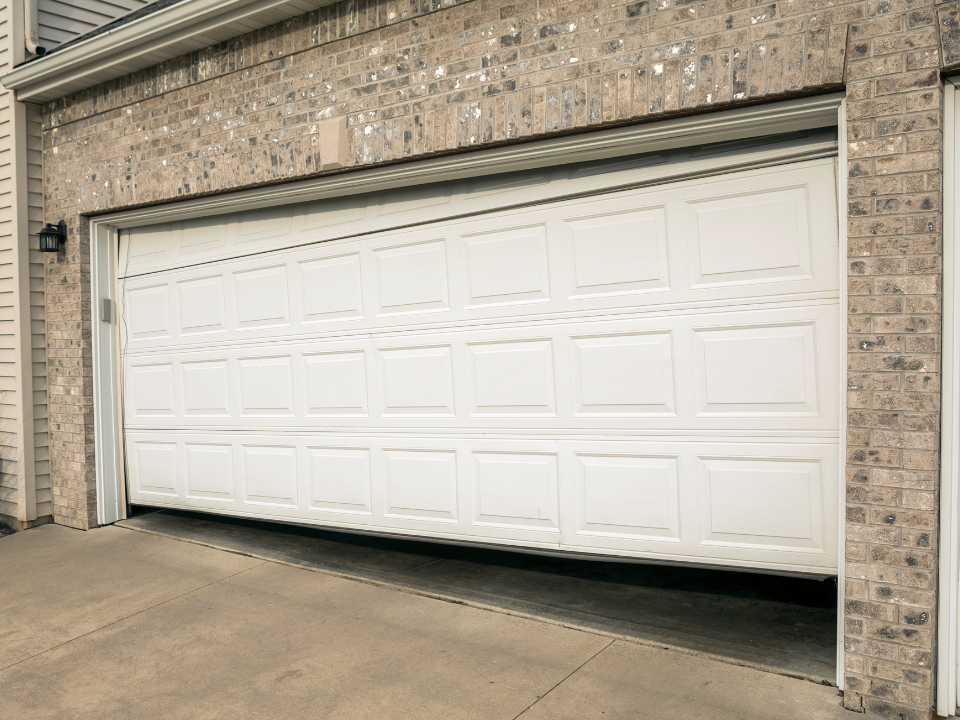
Squeaking produces a high-pitched sound during movement. This noisy door complaint typically points to dry hinges, rollers, or springs. When metal parts move without adequate lubrication, friction creates squeaks and squeals. The sound may occur throughout the entire cycle or only at specific points where particular components engage.
Squeaking is usually the easiest noisy door problem to fix. Applying appropriate lubricant to hinges, rollers, and springs often eliminates squeaks immediately. However, if squeaking persists after lubrication, it may indicate worn hinges or rollers that need replacement. Your garage door opener chain or belt can also squeak when dry or stretched.
Rattling and Vibration Sounds
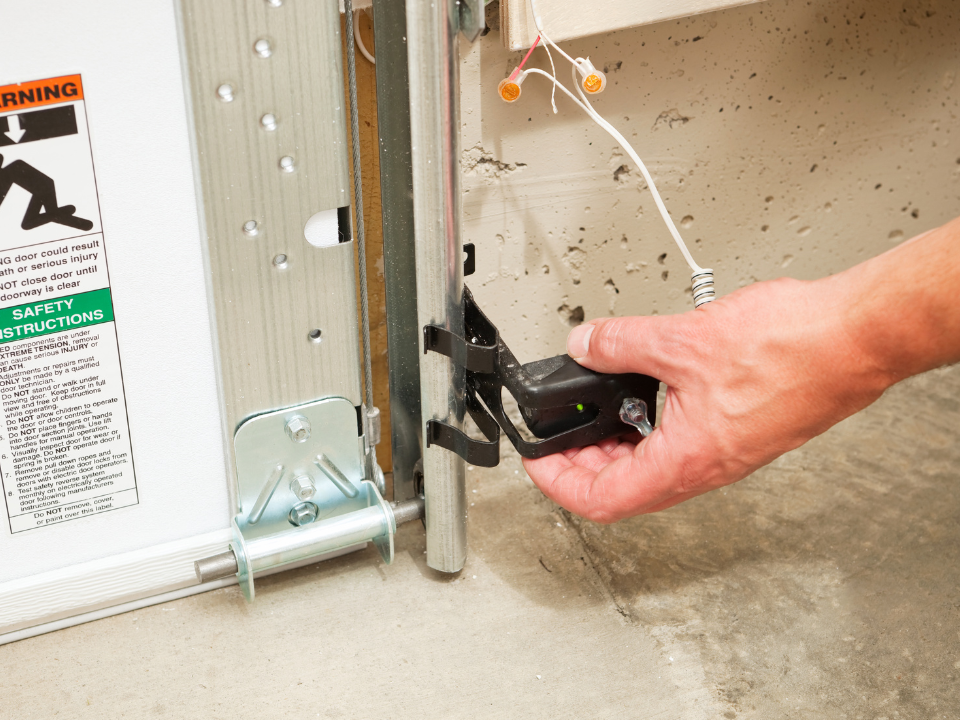
Rattling creates a loose, shaking sound as the door moves. This noisy door issue comes from hardware that has vibrated loose over time. Nuts, bolts, and screws throughout the system gradually work themselves free from normal operation. Rattling may also indicate loose panels, tracks, or mounting brackets that need tightening.
Excessive vibration can make the entire door and the surrounding structure shake. This noisy door symptom often relates to an unbalanced door or worn components that no longer operate smoothly. A safety inspection identifies which parts need tightening or replacement. Addressing rattling prevents hardware from falling out completely and causing more serious problems.
Solutions for a Quieter Garage Door
Most noisy door problems respond well to targeted maintenance and repair. The key is matching the solution to the specific cause. Simple lubrication fixes many squeaks, while grinding may require component replacement. Understanding which approach works for each situation saves time and prevents throwing money at ineffective fixes. Professional guidance ensures you address the real problem.
Start with basic maintenance for a noisy door. Clean tracks and remove debris. Tighten all visible hardware. Apply silicone-based lubricant to hinges, rollers, and springs. Check the door balance by disconnecting the opener and lifting it manually. If these steps eliminate the noise, regular maintenance prevents recurrence. If noise persists, specific components likely need replacement or adjustment.
Consider upgrading problematic components when repairing a noisy door. Nylon rollers run much quieter than steel rollers and last longer. Belt-drive openers operate more quietly than chain-drive models. High-quality springs and hardware reduce vibration and noise. While upgrades cost more initially, they deliver lasting quiet operation and improved performance throughout the entire system.
When to Call Professionals for Noisy Door Repair
Some noisy door problems require professional expertise. If lubrication and tightening do not eliminate grinding sounds, worn components need replacement. Track alignment and spring adjustment require specialized tools and knowledge. Attempting these repairs without proper training risks injury and can damage the door further. Professional technicians have the experience to diagnose complex noisy door issues quickly.
Sudden loud noises demand immediate professional attention. A bang or pop suggests spring failure. Screeching from the opener indicates motor or gear problems. These noisy door emergencies can leave you unable to open or close the door safely. Emergency garage door repair services restore function and prevent hazards. Technicians can also inspect for damage caused by the failure.
Even routine noisy door maintenance benefits from professional service. Technicians spot wear patterns before they cause failures. They apply the right lubricants in the right places. Regular professional maintenance keeps your door quiet and extends its lifespan significantly. The investment in periodic service prevents expensive emergency repairs and premature replacement.
Stop Noisy Door Problems with Expert Service
A noisy door disrupts your peace and signals developing problems. Understanding the meaning behind different sounds helps you take appropriate action. Whether you need simple maintenance or complete component replacement, addressing noise quickly prevents more serious damage. Quiet operation makes your home more comfortable and indicates a healthy garage door system.
At Precision Garage Door of Orange County, we specialize in diagnosing and fixing noisy door complaints. Our technicians identify the exact source of noise and recommend the most effective solutions. We stock quality replacement parts and accessories that eliminate noise and improve performance. Whether you need routine maintenance or urgent repair, we restore quiet, reliable operation.
Schedule service through Contact Precision Garage Door Orange County Now. We will inspect your door, identify the source of noise, and provide clear pricing for repairs.