
What Causes a Garage Door to Go Off Track? Essential Repair and Maintenance Guide
A garage door serves as a critical barrier between the interior of your home and the outside environment, providing security and convenience. However, one common issue many homeowners face is a garage door that has gone off track. Understanding the underlying causes of this problem can help prevent it and ensure your garage door operates smoothly. This article will delve into the various factors leading to a garage door going off track, the common issues associated with it, preventive measures you can take, and essential repair techniques. Throughout this guide, you’ll learn key insights that might help you maintain the functionality of your garage door, and understand when it’s necessary to seek professional help.
Causes of Garage Doors Going Off Track:
Several factors contribute to a garage door going off track, which can be attributed to both physical and environmental conditions. Recognizing these causes is essential for effective maintenance.
- Physical Damage: Collisions or impacts from vehicles or objects can directly bend or misalign the door and its tracks.
- Loosening of Tracks: Over time, screws and bolts that hold the tracks in place may become loose, leading to misalignment.
- Effects of Dirt and Rust: Accumulated debris or rust on the tracks can obstruct the wheels, preventing smooth operation.
- Lack of Regular Maintenance: Neglecting annual inspections and maintenance tasks can contribute to a higher risk of misalignment.
By being proactive in addressing these issues, homeowners can significantly reduce the likelihood of their garage doors going off track.
Common Issues:
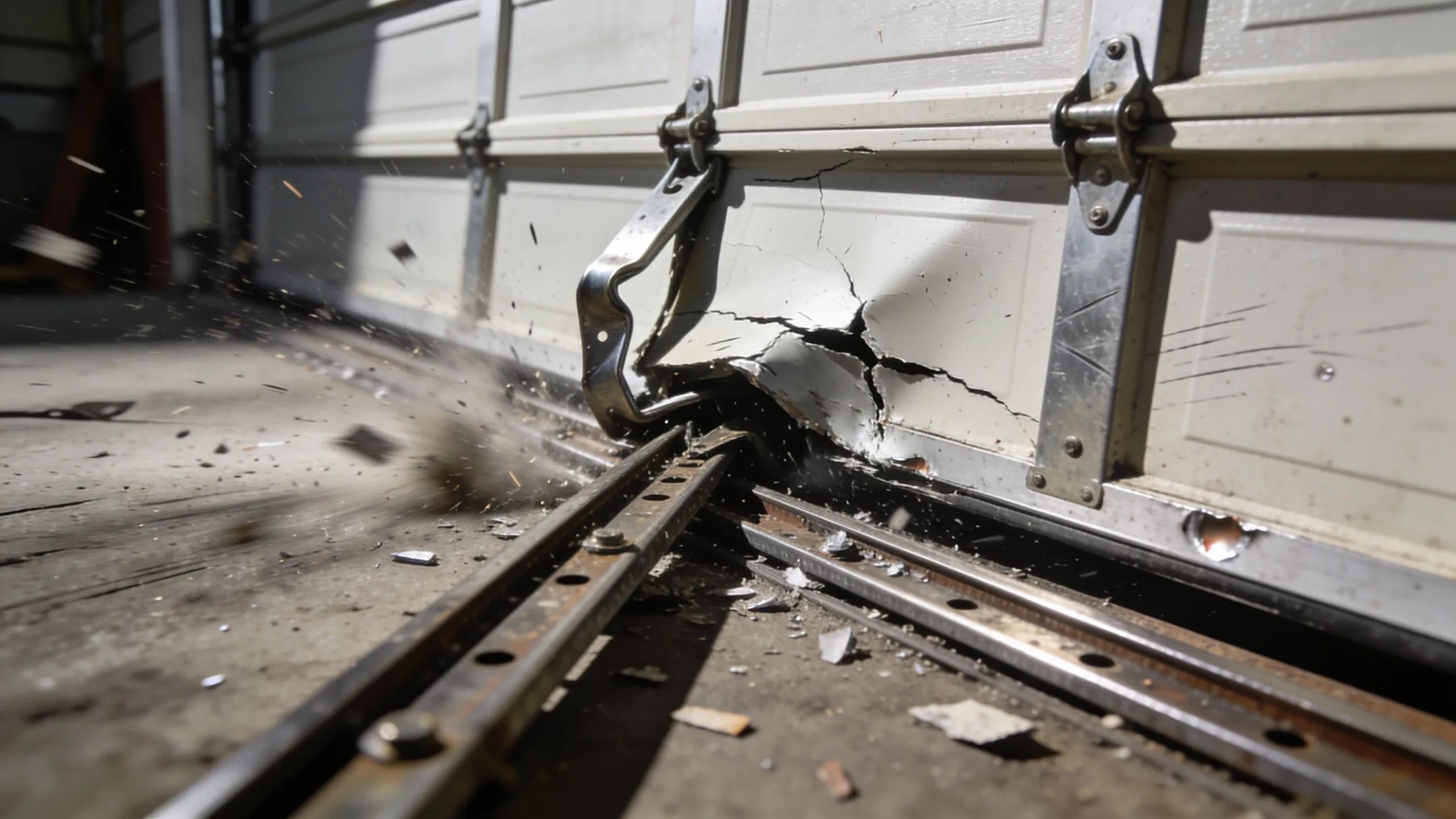
Understanding the common issues associated with garage doors can help identify problems early on. Here are some frequent problems that lead to a door going off track:
- Worn Rollers: Rollers may wear out over time, resulting in an uneven movement that disrupts track alignment.
- Misaligned Tracks: Proper alignment is crucial, and even minor misalignments can cause significant operational problems.
- Track Obstructions: Objects or debris in the garage door tracks can prevent the door from moving smoothly.
- Sensor Problems: Misaligned or malfunctioning safety sensors may cause the door to reverse unexpectedly, leading to off-track issues.For issues related to specific faulty components, understanding the need for timely garage door parts and accessories is crucial.
Regularly checking for these problems can help maintain the functionality of the door, improving its longevity and performance.
Preventive Measures:
To avoid having your garage door go off track, implementing preventive measures is essential. Here are some effective strategies:
- Regular Maintenance Schedules: Schedule routine inspections to ensure all components are functioning correctly and are in good condition.
- Keeping Tracks Clean: Regularly clean the tracks to remove dirt and debris that might obstruct the wheels.
- Monitoring Roller Conditions: Check the rollers periodically for signs of wear and replace them as necessary.
- Inspecting Sensors: Ensure that the safety sensors are properly aligned and functioning to prevent unexpected reversals, as malfunctioning garage door openers can also contribute to unexpected movements.
By adopting these preventive measures, homeowners can significantly reduce the risk of having their garage door go off track.
Now that we’ve covered the preventive measures, it’s worth mentioning that professional garage door maintenance services are available to assist with regular inspections and repairs. For those seeking expert guidance, companies like garage door repair services provide reliable assistance.
Essential Repair Techniques:
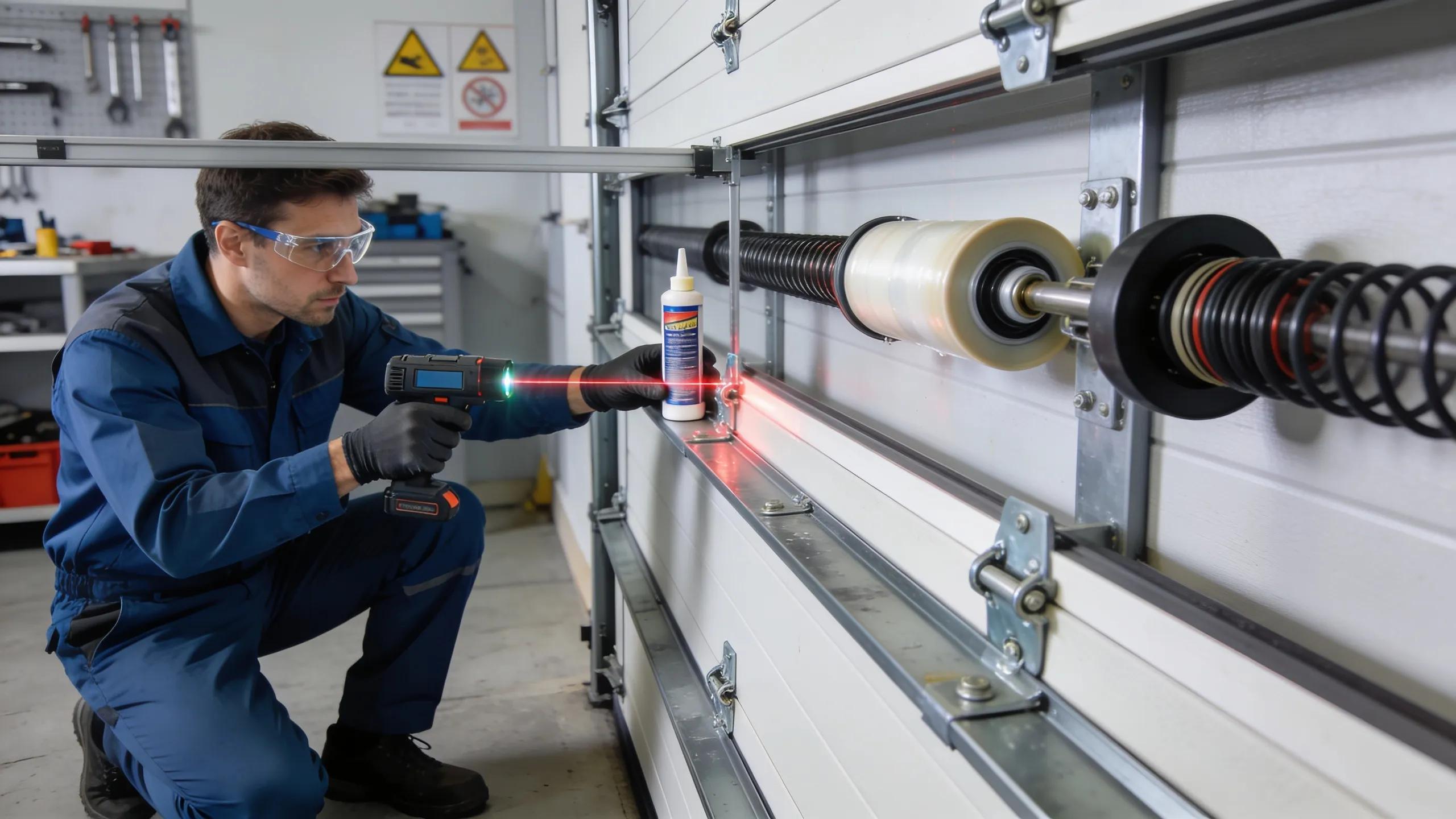
Repairing a garage door that has gone off track involves specific techniques to ensure proper alignment and functionality. Here are the essential steps to take:
- Identifying Problem Areas: Start by inspecting the door and tracks for visible signs of damage, misalignment, or wear.
- Inspecting Components for Damage: Check all components, including springs and rollers, for wear and tear. The issue might stem from compromised broken springs, which are critical for door balance.
- Realigning and Lubricating Doors: Carefully realign the door to its tracks and lubricate all moving parts to ensure smooth operation.
- Consulting Professionals if Necessary: If the repairs appear too complicated or if the problem persists, it is advisable to consult a professional garage door repair technician.
Taking immediate action with these repair techniques ensures that the garage door can become fully functional again, thus extending its lifespan.
This comparison of common garage door issues and their respective solutions highlights the benefits of timely repairs to maintain smooth operation.
Regular maintenance and understanding the causes behind your garage door’s operational issues are key steps in ensuring its longevity and functionality. By following the guidelines and techniques provided in this guide, homeowners can enjoy a properly functioning garage door, minimizing the disruptions that come with unexpected malfunctions.