
Your garage door should open and close every single time smoothly. When it moves in a steady, controlled way, you barely notice it. But when garage door movement becomes jerky or uneven, something has gone wrong inside the system.
Most homeowners ignore these early warning signs. A slight jerk or wobble can seem minor at first. However, these symptoms often point to worn parts, improper tension, or alignment issues that worsen over time.
This blog breaks down the most common causes of uneven or jerky garage door movement. You will learn what each symptom means, what risks it creates, and how Precision Garage Door of Orange County can help restore smooth, safe performance.
Why Smooth Garage Door Movement Matters
Smooth operation helps you spot problems early and protect your system. A properly working door moves at a steady pace without noise or hesitation. It should travel straight up and down with no tilting or strain. When Garage Door Movement stays consistent, springs, cables, rollers, and tracks remain balanced and aligned.
However, jerky motion signals that one or more parts are under stress. Continued use in this condition increases wear and leads to costly repairs. Additionally, uneven Garage Door Movement creates serious safety risks. A door that drops or shifts suddenly can cause injury or property damage.
Your opener also feels the strain when movement becomes irregular. It works harder to compensate for imbalance, which shortens its lifespan. Many homeowners replace the opener when the real issue lies elsewhere. A proper diagnosis through garage door repair services identifies the true source of the problem before more damage occurs.
Common Causes of Jerky or Uneven Garage Door Movement
Every uneven movement has a specific cause. The sections below cover the most frequent reasons this happens and what each one means for your door system.
Worn or Damaged Rollers
Rollers guide the door along its track on both sides. When they wear out, the door no longer glides smoothly. Instead, it bumps and jerks as the damaged rollers catch and drag against the track surface.
Steel rollers without nylon coating are especially prone to this problem. They also create significant noise during operation. Replacing worn rollers with quality parts and accessories restores smooth, quiet movement without major repairs.
Misaligned or Bent Tracks
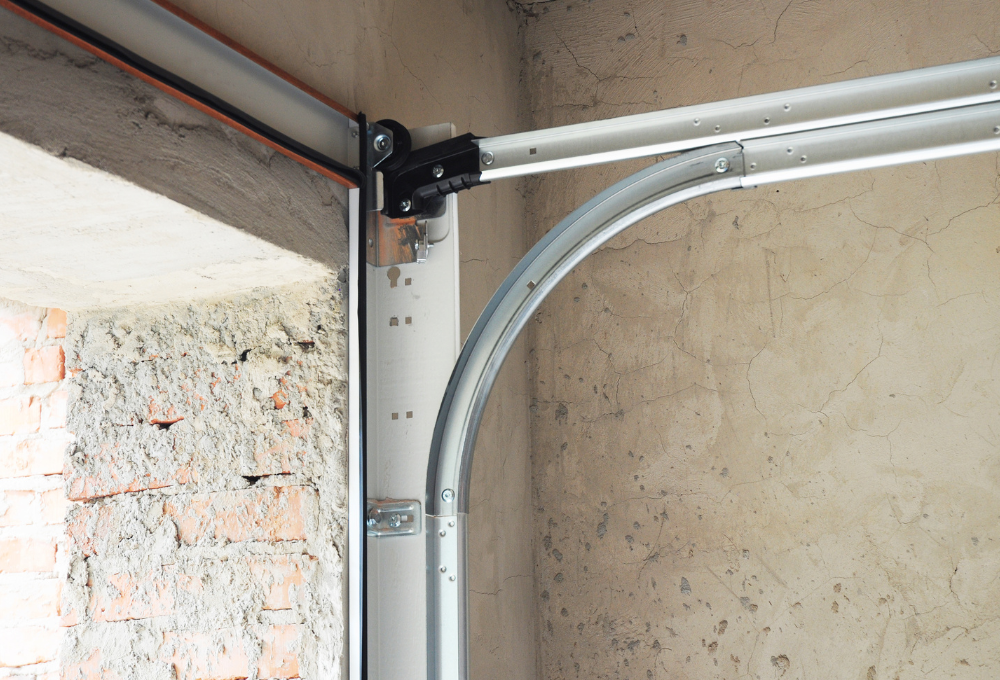
The tracks on both sides of the door must stay perfectly parallel at all times. If one track bends or shifts out of position, the door cannot travel in a straight line. This creates uneven garage door movement that worsens with every use.
Track misalignment results from impact, loose mounting hardware, or gradual settling over time. However, attempting to bend tracks back into position without proper training is risky. A professional can realign or replace tracks safely and correctly.
Broken or Unbalanced Springs
Springs carry the full weight of the garage door during every operation cycle. When one spring breaks or loses tension, the weight shifts unevenly to one side. This causes the door to tilt and travel off its intended path.
Broken springs also force the opener to compensate for the imbalance. This leads to jerky, strained garage door movement that puts stress on every connected component. Broken spring replacement is an urgent repair and should never be attempted without professional help.
Other Factors That Affect How Your Door Moves
Several external factors also influence how your door operates. Poor Garage Door Movement does not always begin with a major mechanical failure. Sometimes, smaller maintenance issues create noticeable imbalance over time.
Lack of lubrication often causes rollers, hinges, and springs to create friction during operation. This friction slows the door and leads to jerky motion. Regular lubrication is a core part of proper garage door maintenance. Cable problems also affect balance. If a cable frays or slips, the door may pull to one side. Scheduling a safety inspection allows a technician to check cable condition before a small issue becomes dangerous.
Weather changes also impact performance throughout the year. Heat expands metal parts, while cold temperatures stiffen lubrication. These conditions can make Garage Door Movement feel uneven or sluggish. Protecting your garage door from the weather helps maintain smooth performance in every season.
What Happens If You Delay Repairs
Waiting to address jerky or uneven garage door movement makes the problem significantly worse. What starts as a minor symptom often escalates into a full system failure.
A struggling door puts strain on every part of the system. The opener motor overworks, springs fatigue faster, and cables lose their integrity. Additionally, an unbalanced door creates security risks because it may not close or seal properly.
Timely garage door repair protects your investment and your household’s safety. Early intervention costs significantly less than emergency repairs or full replacements. Acting when you first notice irregular movement is always the smarter decision.
Which Movement Problem Is Affecting Your Door?
Identifying the specific symptom helps narrow down the cause quickly and accurately. If the door jerks at the very start of movement, the problem often involves the springs or opener. If it shakes throughout the entire travel path, rollers or tracks are likely the issue. A door that tilts to one side usually has a spring imbalance or cable problem.
Noise also serves as a helpful indicator. A grinding or scraping sound during garage door movement often points to rollers or track friction. A noisy garage door with popping or snapping sounds may also signal spring stress. These symptoms rarely resolve on their own without professional attention.
Our team uses these indicators to diagnose problems accurately. Rather than guessing, a professional inspection gives you a clear answer and a reliable repair plan every time.
Get Your Garage Door Moving Smoothly Again
Jerky or uneven garage door movement is never something to ignore. It signals a mechanical problem that will only worsen with every use. The good news is that most causes are straightforward to fix with the right expertise and the right parts.
At Precision Garage Door of Orange County, we diagnose and repair all types of garage door movement issues. Whether the cause is worn rollers, broken springs, misaligned tracks, or cable problems, our technicians identify and solve it correctly the first time. We back every repair with reliable parts and professional service you can trust.
If your door has started moving unevenly or making unusual sounds, do not wait. Contact Precision Garage Door of Orange County today. Our team will inspect the system, explain exactly what we find, and restore smooth, safe performance to your home.