

Signs Your Garage Door Springs Are Broken: How to Detect and Address Spring Issues Quickly
Garage door springs are vital components that allow your garage door to operate smoothly and effectively. When these springs malfunction, it can lead to significant inconvenience and safety issues. This article will help you identify the signs of broken garage door springs, understand the reasons behind these issues, and know when to seek professional assistance. By recognizing the symptoms early, you can prevent further damage and ensure the safety of your garage door operation. Key sections in this article include the common symptoms of broken springs, reasons for improper door functioning, risks of DIY fixes, and the benefits of professional repair services.
For additional context, one academic paper delves into the mechanics of why these springs are so crucial.
Essential Role of Garage Door Springs in Operation
Countless millions include garages with garage doors. A mechanism necessary for proper function of the garage door is the spring; either one torsion spring or two extension springs Failure Analysis of a Garage Door Spring, 2006
What Are the Common Symptoms of Broken Garage Door Springs?
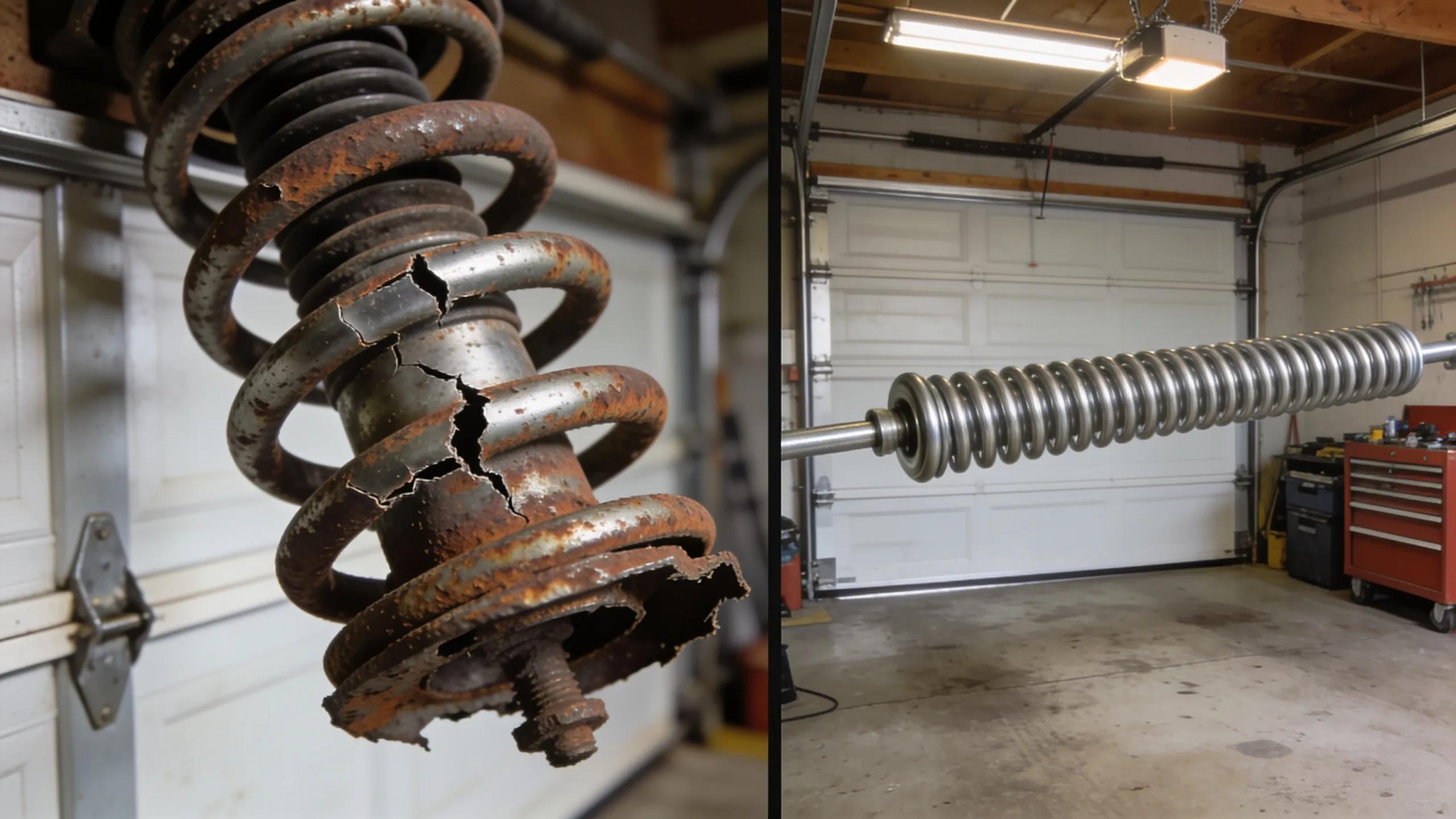
Identifying broken garage door springs is crucial for maintaining safety and functionality. Common symptoms include unusual noises coming from the door or springs, which may indicate damage or wear. Additionally, an imbalanced door that doesn’t close or open smoothly is another clear sign of spring failure. Visible physical damage like rust or fractures also signifies it’s time for inspection. For more details on identifying a broken spring, specific visual cues are important.
Moreover, if the door appears to be lifting unevenly or requires excessive force to operate, it highlights that the springs may be compromised. Safe operation is paramount, especially when it comes to handling heavy garage doors. Recognizing these symptoms early can prevent accidents and damage to the garage door system.
Why Does the Garage Door Fail to Open or Close Properly?
A garage door’s failure to operate correctly often stems from broken springs. These springs are responsible for balancing the weight of the door; if they are damaged, the door may become too heavy to lift or may fall unexpectedly. Signs of spring issues include loud noises during operation and visible damage to the metal components. Issues like a noisy door can also be indicators of underlying spring problems.
Understanding the physics behind these malfunctions can reveal why a simple button press can lead to a significant problem, as explored in detailed studies.
Understanding Broken Garage Door Springs and Malfunctions
Pushing a button to open your garage door before going to work seems trivial until the motor fails to lift the door. There are various explanations for a garage door malfunction, but this paper will focus on the most common of them all—a broken spring. Inspired by the fact that garage door technicians must match the right spring to the appropriate garage doors, this project produced a spring conversion calculator. This paper provides a preface and comprehensive explanation of the mechanisms of overhead garage doors. The physics behind garage door springs, 2017
When broken springs prevent the door from opening or closing completely, it compromises both functionality and security. If you notice these issues, it’s essential to inspect the springs for damage to avoid further complications and ensure your garage door operates smoothly.
When Should You Consider Professional Garage Door Spring Repair or Replacement?
If you observe signs that indicate the need for repairs, it’s essential to take action quickly. Professional help is recommended when you see visible damage to the springs or experience noise issues. Additionally, if the door has a persistent tendency to fall suddenly during operation, professional intervention is critical due to the associated risks. Opting for garage door repair services is often the safest route.
Costs for garage door spring repairs generally range from $150 to $350, depending on the type of spring and service required. This cost can be a wise investment for ensuring safety and longevity in your garage door’s operation. Professional servicing not only resolves immediate issues but also helps prevent future problems.
What Are the Risks of DIY Garage Door Spring Fixes?
Attempting to fix garage door springs without professional help poses significant risks. The tension in these springs can lead to severe injuries if not handled properly. Many DIYers make common mistakes, such as underestimating the force exerted by springs, which can result in accidents.
The consequences of a broken spring extend beyond mere inconvenience, sometimes demanding a deeper understanding of its causes and potential malfunctions.
Broken Garage Door Springs: Causes and Malfunctions
Pushing a button to open your garage door before going to work seems trivial until the motor fails to lift the door. There are various explanations for a garage door malfunction, but this paper will focus on the most common of them all—a broken spring. The physics behind garage door springs, 2017
Furthermore, improperly installed springs can cause further damage to the door mechanism or increase the costs of repairs. Thus, it’s highly recommended to leave repairs to skilled technicians who understand the complexities and safety measures required for handling garage door springs.
How Does Professional Spring Repair Ensure Safe Door Operation?
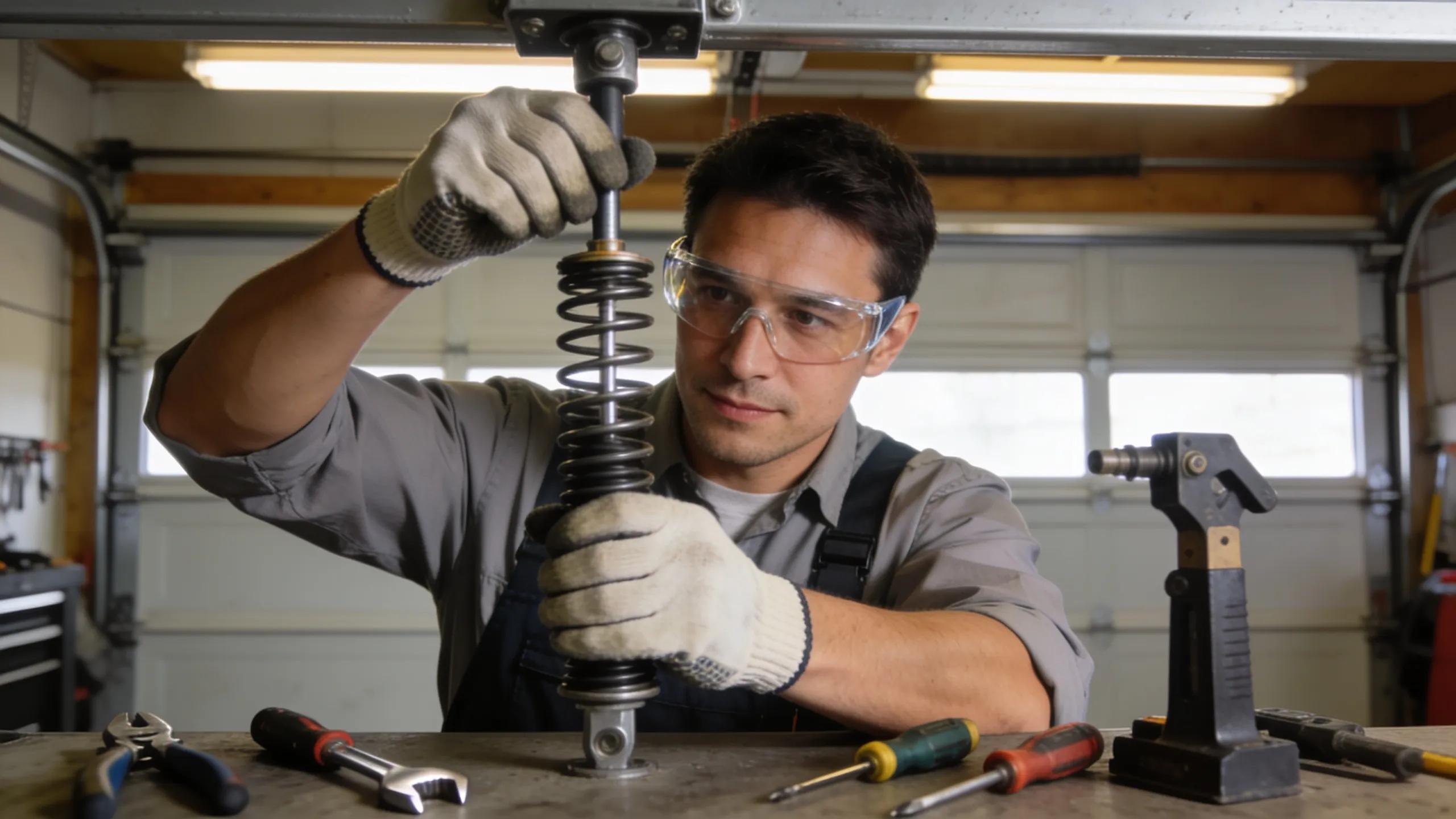
Engaging professional repair services ensures that all necessary safety checks are conducted. Professionals not only replace damaged springs but also perform comprehensive inspections to ensure that other components of the garage door system are functioning correctly. A thorough garage door safety inspection can identify potential issues beyond just the springs.
Expert technicians bring the right tools and knowledge needed to handle the tension safely and securely. Their experience helps in identifying potential issues that a less trained person might overlook, providing peace of mind and guaranteed safety for your garage door’s operation.
How Much Does Garage Door Spring Replacement Cost and What Affects Pricing?
Garage door spring replacement costs typically range from $200 to $400. Several factors influence these prices, including the type of spring needed—torsion springs tend to be more expensive than extension springs—and regional labor costs.
Understanding the cost structure before you proceed with repairs can aid in budgeting and decision-making. Always request an estimate from professionals to clarify what influences the total pricing for your garage door spring replacement.
What Is the Typical Lifespan of Garage Door Springs?
Garage door springs generally have varied lifespans depending on their type. Extension springs typically last between 5,000 to 10,000 cycles, while torsion springs may endure significantly longer, about 15,000 cycles or more.
Factors affecting the lifespan include the frequency of door use, environmental conditions, and regular maintenance. Being proactive with spring inspections can extend their lifespan and ensure smooth operation.
Which Factors Influence Spring Replacement Costs?
Several aspects impact the pricing of garage door spring replacements. The type of spring is a primary factor—as mentioned, torsion springs typically incur higher costs than extension variants.
Labor costs can also vary by region, with some areas having higher demands for professional services. Additionally, any need for supplemental repairs or adjustments can increase the overall expense of the service.
What Preventive Maintenance Tips Can Extend Your Garage Door Spring’s Life?
To maximize the lifespan of your garage door springs, consider implementing regular maintenance practices. These include using a high-quality lubricant to reduce friction during operation and ensuring periodic inspections for signs of wear or damage.
Routine checks every few months can identify early symptoms of spring degradation before they escalate into larger issues, potentially saving you from extensive repair costs. Moreover, ensuring that the door is not subject to heavy environmental conditions—like rust from excessive moisture—will further preserve its integrity.
By integrating these preventive measures, you will enhance the longevity of your springs, ensuring seamless functionality for years to come.
In summary, taking action quickly upon noticing symptoms of broken garage door springs can prevent further damage and enhance safety. Regular maintenance and professional evaluations are key to ensuring longevity. Understanding your garage door openers maintained and the entire system is vital for its performance.