Garage door springs work hard every single day. They lift hundreds of pounds each time your door opens and closes. Most homeowners never think about these springs until something goes wrong. When broken springs fail, it creates a dangerous situation and leaves your garage unusable.
The challenge is recognizing the warning signs before complete failure occurs. Garage door springs do not break without notice. They show symptoms that gradually become more severe over time. Learning these signs helps you schedule repairs before facing an emergency. Early detection protects your family from the risks of sudden spring failure.
This article explains what to watch for when inspecting garage door springs. You will learn how springs behave when they weaken, which sounds indicate trouble, and when professional help becomes necessary. With this knowledge, you can catch problems early and keep your garage door system safe and reliable.
Why Garage Door Springs Wear Out
Garage door springs are designed with a specific cycle rating. A cycle means one complete open and close operation. Extension springs typically last 5,000 to 10,000 cycles, while torsion springs can reach 20,000 cycles or more. How quickly you reach these numbers depends on how often you use your garage door throughout the day.
Metal fatigue causes springs to weaken gradually. Each time a spring stretches or twists, the metal experiences stress. Over thousands of cycles, this stress breaks down the material. Temperature changes accelerate wear because metal expands and contracts with heat and cold. Springs in uninsulated garages face more strain than those in climate-controlled spaces.
Lack of maintenance also shortens the spring’s life. Garage door springs need regular lubrication to reduce friction. Without it, they work harder with every movement. Rust forms more easily on dry springs, creating weak points that lead to breaks. Regular safety inspection and care can extend working life and catch issues before they turn into failures.
Warning Signs of Failing Garage Door Springs
When garage door springs begin to fail, they send clear signals. Recognizing these early warnings prevents sudden breakdowns and keeps your family safe. Some symptoms appear slowly, while others become obvious within days. Paying attention to how your door looks, sounds, and moves helps you catch spring problems before they escalate.
Visual Deterioration
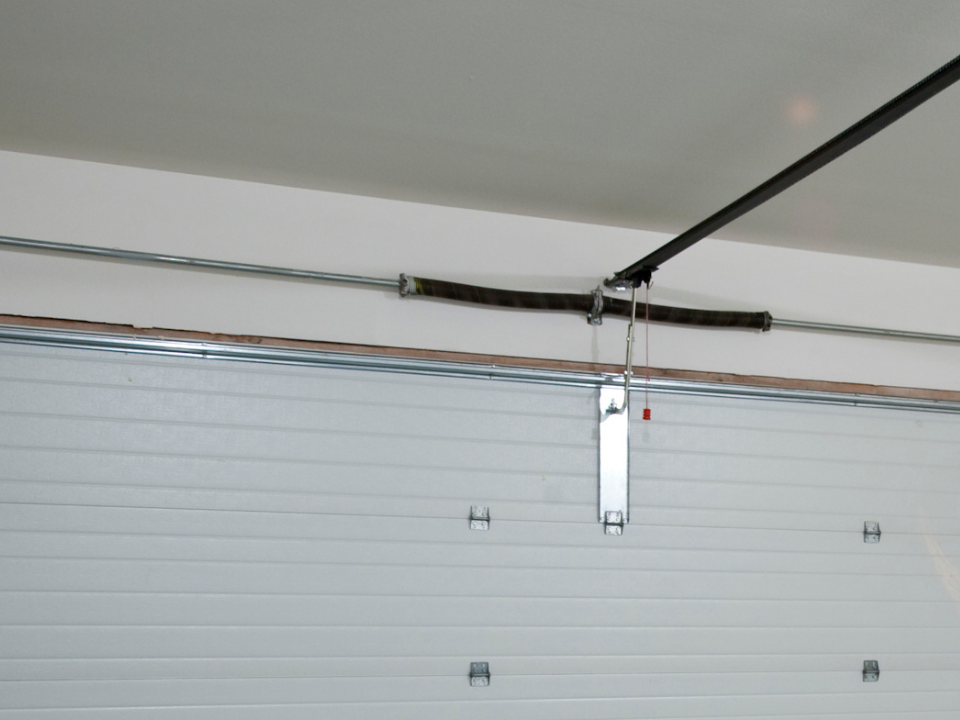
Garage door springs show physical signs of weakness long before they snap. Look for rust or corrosion forming on the coils. Dark stains around the springs indicate moisture damage. Small gaps between coils that were once tightly wound signal stretching and loss of tension. If you notice any separation in the coils, the springs are losing their ability to support the door.
Visible cracks or breaks in the metal are critical warnings. Sometimes a spring fractures partially before snapping completely. You may see a thin line or deformation in the coil. These visual clues mean the spring is near failure. Replacing damaged springs immediately prevents injury and avoids damage to other parts and accessories in the door system.
Unusual Door Movement
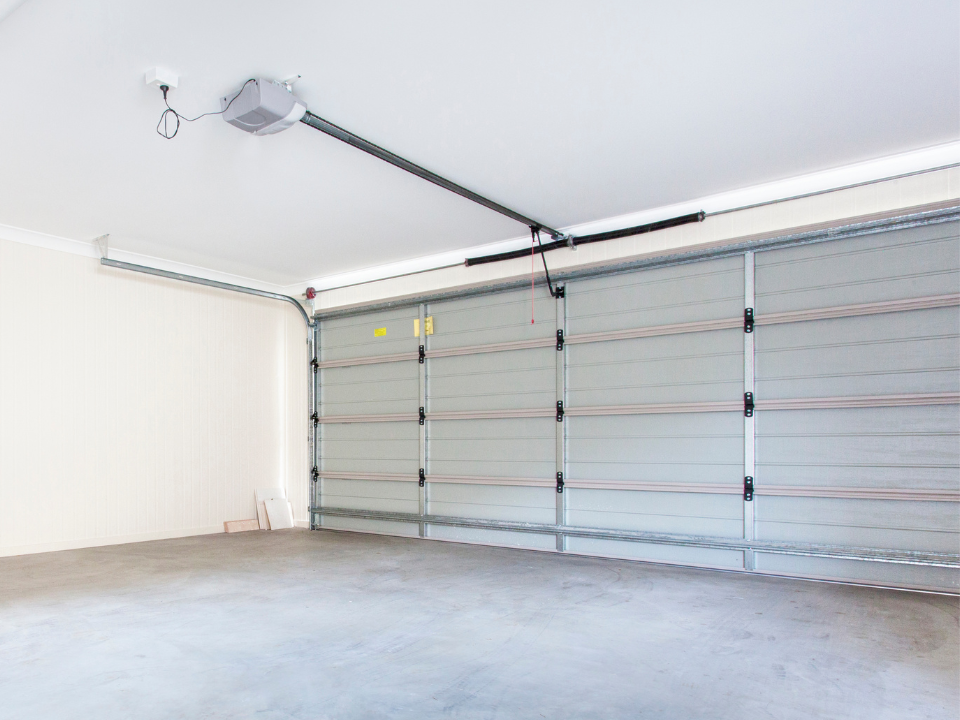
Weak garage door springs cause the door to behave differently. The most common sign is a door that feels heavy when you lift it manually. Properly balanced springs make the door easy to raise by hand. If it drops quickly when released or will not stay open halfway, the springs are not holding enough tension.
Another warning is uneven movement during operation. A door that jerks, shakes, or tilts to one side indicates spring problems. One spring may be weaker than the other, or one side may have already failed. Crooked movement damages the door tracks and rollers. It also increases the risk of the door coming off the tracks completely.
Strange Sounds During Operation
Sound changes often signal spring trouble before visible damage appears. A loud bang or pop when opening or closing the door suggests a spring has snapped. Grinding or scraping noises indicate worn springs rubbing against other components. Squeaking or creaking during movement means the springs need lubrication or are beginning to fail from metal fatigue.
If your door becomes noticeably louder over time, do not ignore it. Increased noise is a direct warning that something has changed in the spring system. A noisy door usually means worn springs, but it can also point to damaged cables or misaligned tracks. Professional inspection determines the exact cause and the best solution.
What Happens When Garage Door Springs Break
A broken spring renders your garage door inoperable. Without spring support, the door becomes too heavy for the opener to lift. Some doors will not open at all, while others may open slightly before the motor gives up. Attempting to force the door with a failing opener can burn out the motor and create costly repairs beyond just spring replacement.
Spring failure also poses safety risks. A snapping spring releases tremendous energy. Extension springs can fly across the garage, striking vehicles, walls, or people. Torsion springs may whip around the shaft, causing injury to anyone nearby. The door itself can slam shut unexpectedly if both springs break, which is extremely dangerous if someone is underneath.
When a spring breaks, do not try to operate the door manually or with the opener. Disconnect the opener and call for professional garage door repair. Technicians have the tools and training to replace garage door springs safely. They will also inspect other components to ensure nothing else was damaged when the spring failed.
How to Prevent Premature Spring Failure
Regular maintenance extends the life of garage door springs significantly. Lubricate the springs every few months with a silicone-based spray. This reduces friction and prevents rust. Keeping springs clean and protected from moisture also slows deterioration. Simple steps like wiping down coils take only minutes but add years to spring life.
Balance testing helps identify weak springs before they fail. Disconnect the opener and lift the door halfway by hand. If it stays in place, the springs are balanced. If it falls or rises, tension needs adjustment. Testing the balance every six months catches problems early. Professional technicians can adjust spring tension or recommend replacement before springs reach critical failure.
Consider upgrading to higher-quality springs during replacement. High-cycle springs cost more upfront but last much longer. They also operate more smoothly and quietly. Some homeowners choose to replace both springs even if only one breaks. This prevents another failure soon after and ensures balanced performance throughout the system.
Get Professional Spring Inspection and Repair
Understanding how garage door springs fail helps you protect your home and family. Recognizing visual damage, unusual movement, and strange sounds allows you to address problems before they become emergencies. Regular maintenance and professional inspections keep springs working longer and safer. Never ignore warning signs that your springs are weakening.
At Precision Garage Door of Orange County, we specialize in spring diagnosis and replacement. Our technicians assess the spring condition during every service visit. We use high-quality parts designed for California weather conditions. Whether you need preventive maintenance or emergency repair, we deliver fast, reliable solutions that restore your garage door to perfect working order.
Schedule an inspection today through Contact Precision Garage Door Orange County Now. We will examine your springs, test door balance, and provide honest recommendations.