How Long Do Garage Door Springs Last?
Garage door springs play a crucial role in the operation of your garage door, enabling smooth opening and closing. Understanding the lifespan of these springs can save homeowners from unexpected repairs and maintain the functionality of their garage doors. Over time, garage door springs wear out due to repeated use, making it essential to know how long they typically last and how to extend their lifespan. In this article, we will explore the average lifespan of garage door springs, delve into maintenance tips, and discuss replacement costs.
What Is the Typical Lifespan of Garage Door Springs?
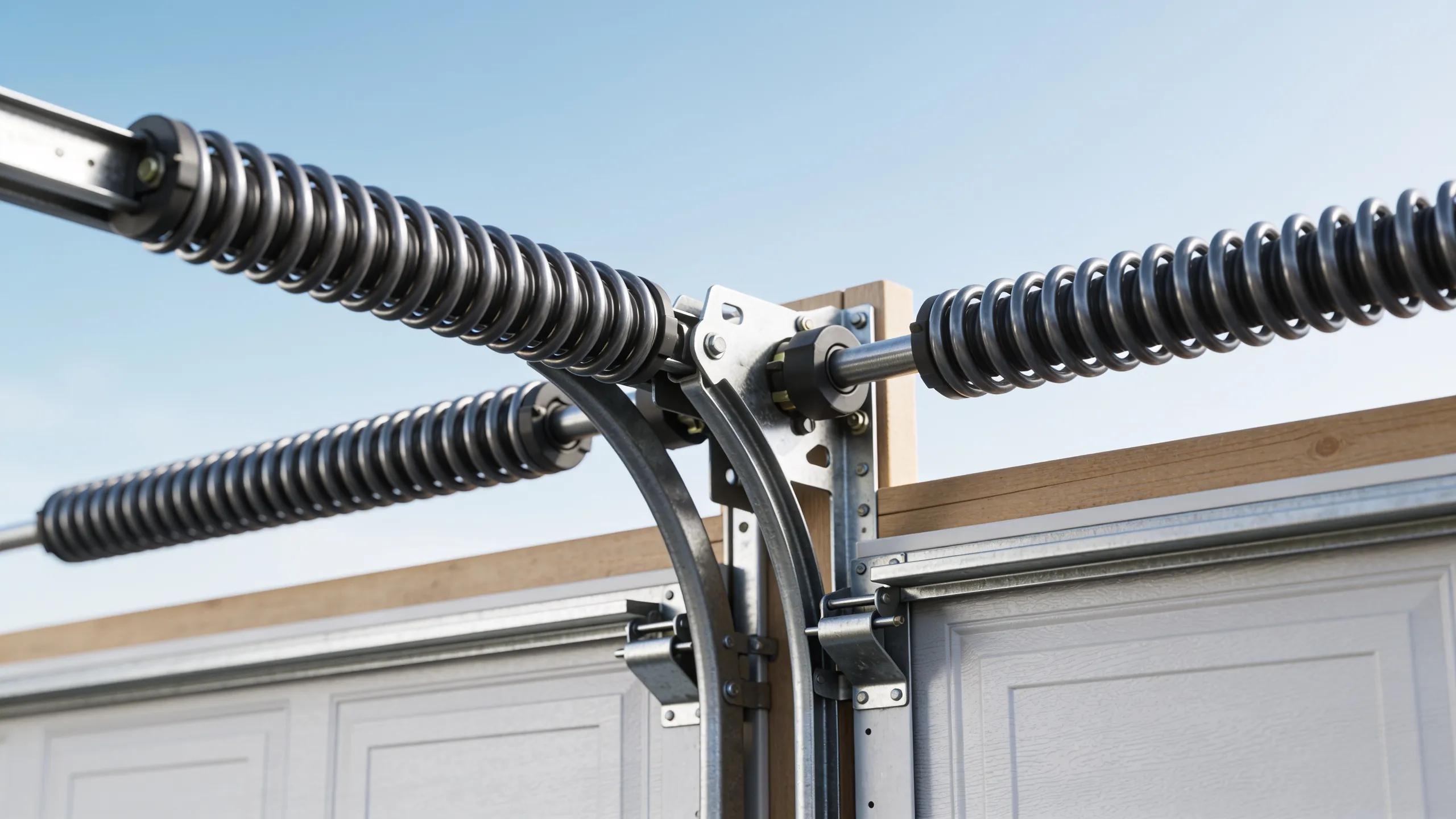
The typical lifespan of garage door springs varies based on the spring type and usage frequency. Generally, extensions and torsion springs can last anywhere from 7 to 15 years.
- Torsion Springs: These springs, which work by twisting and are commonly found on residential garage doors, generally last longer than extension springs. They often provide around 15,000 cycles, which can equal approximately 10-15 years, depending on the door’s usage.
- Extension Springs: Typically, these springs have a shorter lifespan, averaging around 5,000 to 10,000 cycles. Therefore, homeowners using their garage doors frequently may find themselves needing replacements sooner rather than later.
It’s essential to keep in mind that factors like weight, frequency of use, and overall maintenance can greatly influence a spring’s lifespan. For professional assistance with these components, consider exploring broken spring repairs.
How Long Do Torsion Springs Usually Last?
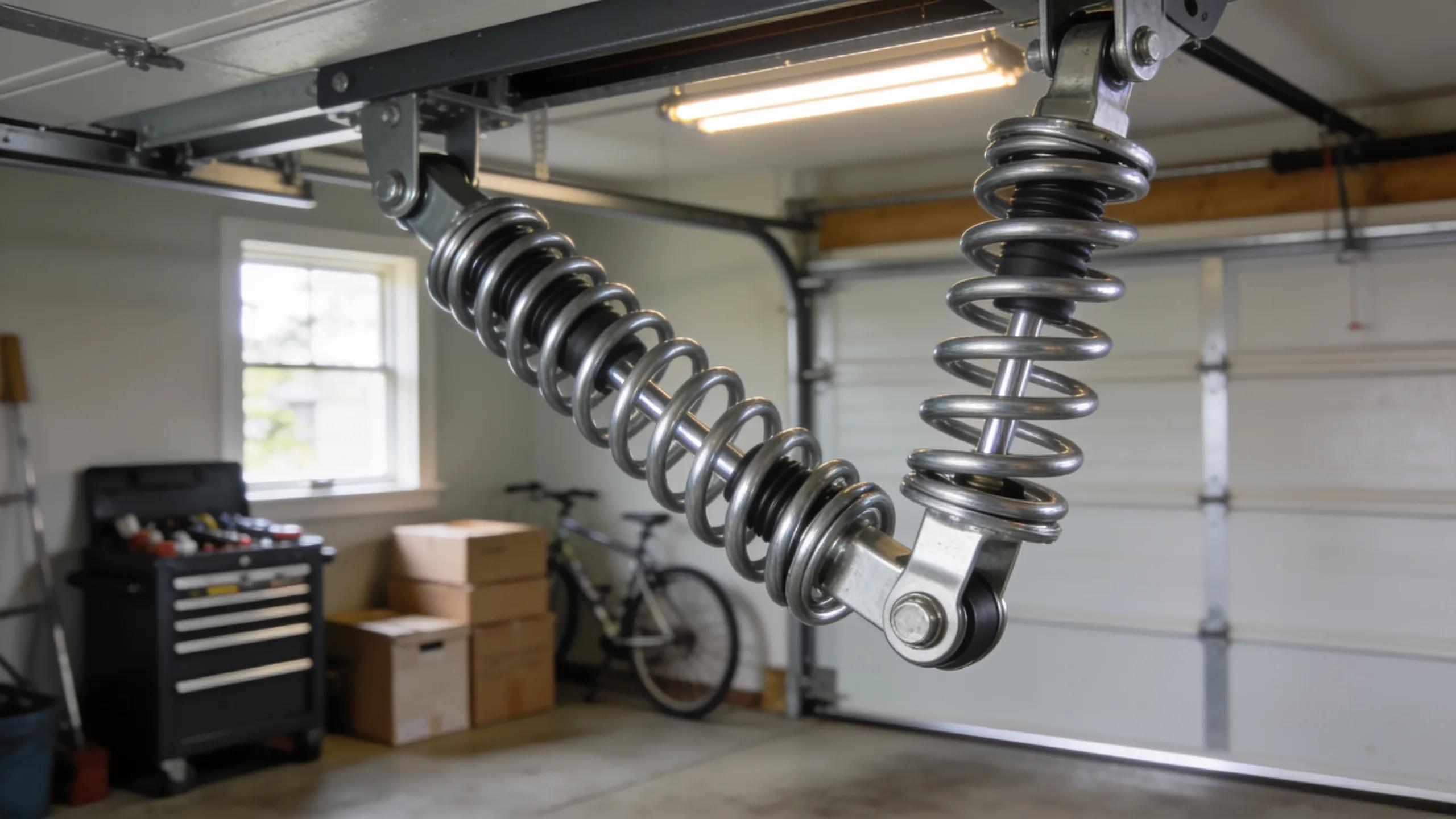
Torsion springs are engineered for durability and typically last around 10 to 15 years. Their lifespan is measured in cycles, with an average of about 15,000 cycles before replacement is necessary. The longevity of these springs can be affected by their use; for instance, manual usage rather than automatic can reduce wear and tear over time. Regular maintenance, including lubrication, can also help extend their useful life.
This understanding of torsion spring endurance is further supported by studies on fatigue failure in springs.
Understanding Fatigue Failure in Torsion Springs
Fatigue, arising from repetitive loading and unloading cycles, often leads to material failure, typically driven by stress concentrations. This study investigates the fatigue failure analysis of torsion springs used in wooden kitchen furniture hinges, where each hinge contains at least one spring responsible for controlled door movements.
Finite Element Assessment and Fatigue Life Improvement of the Torsion Spring in Hinge, R Bayrak, 2025
What Is the Lifespan of Extension Springs?
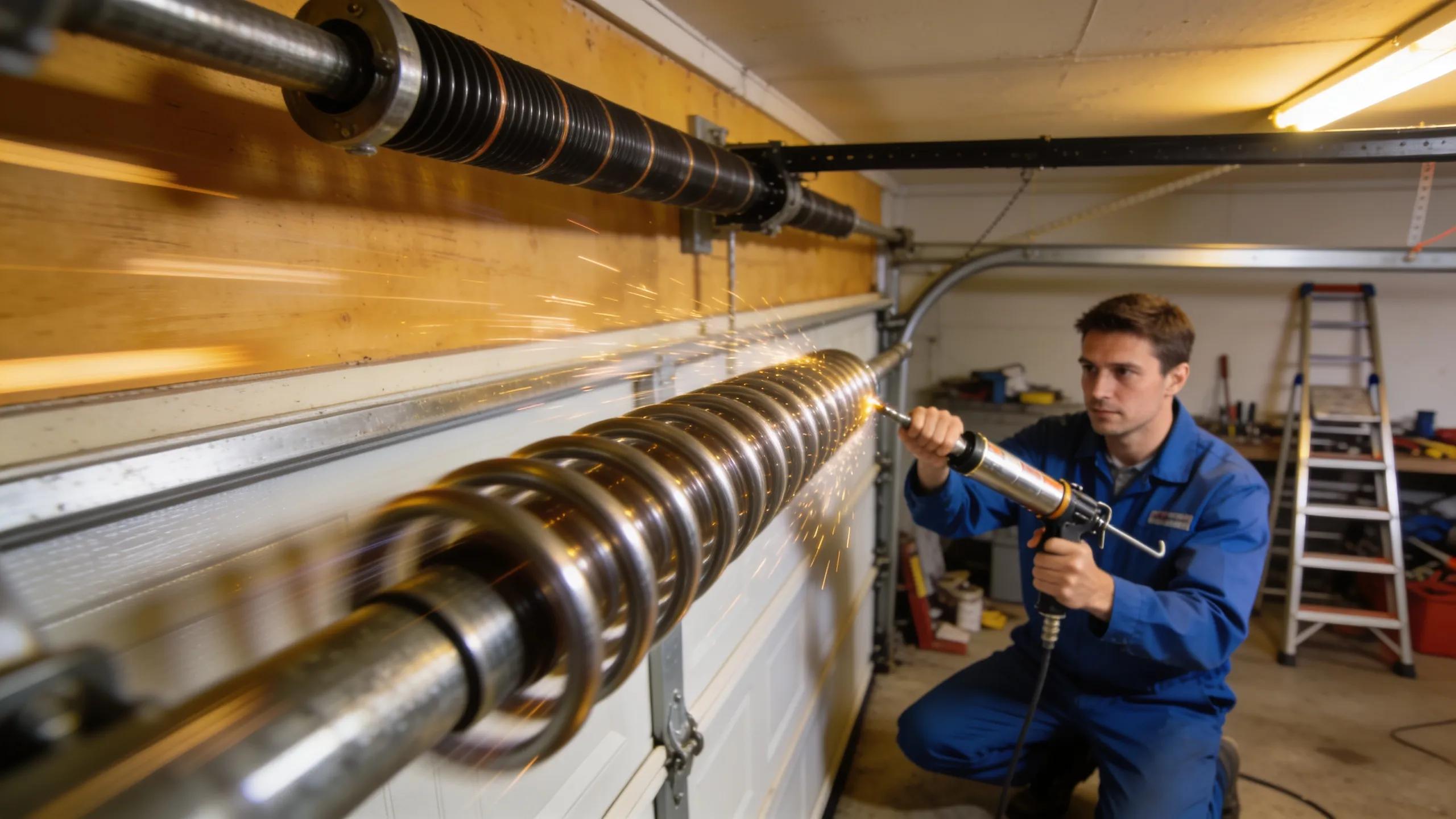
Extension springs generally provide about 5,000 to 10,000 cycles, translating to roughly 5 to 7 years under regular use. Factors such as the weight of the garage door and how often it is opened can significantly impact its lifespan. Like torsion springs, regular inspections and maintenance can mitigate premature wear.
When Should You Schedule a Garage Door Spring Repair?
Scheduling a garage door spring repair depends on several warning signs. If your garage door is unresponsive, if it feels particularly heavy or seems off-balance, or if the door falls quickly when opened, these may indicate a spring issue. Regular inspections can catch these problems early. It’s advisable to have a professional check your springs at least once a year.
How to Maintain Garage Door Springs to Extend Their Lifespan?
Routine maintenance is essential for maximizing the lifespan of garage door springs. Consider the following practices:
- Regular Lubrication: Lubricate the springs with a silicone-based lubricant every few months to ensure smooth operation.
- Inspection for wear and tear: Check for rust, cracks, or gaps in the coils and replace springs before they fail.
- Balancing the Door: Ensure that the door is evenly balanced to prevent undue stress on the springs.
These practices not only prolong the life of the springs but also enhance the safety and efficiency of your garage door system. Proper maintenance can also extend the life of your garage door openers.
What Are the Common Signs of Spring Damage?
Identifying the signs of spring damage can help you address issues before they escalate. Look for:
- Noisy operation: Excessive squeaking or grinding sounds can indicate a need for lubrication or replacement.
- Door misalignment: If the door is uneven and doesn’t close properly, the springs may not be functioning correctly.
- Visible wear: Cracks, rust, or gaps in the springs indicate they may be nearing failure.
Being proactive can mitigate risks and ensure your garage door functions efficiently.
Where to Find Trusted Garage Door Spring Repair Services Near Me?
Finding a reliable garage door repair service can be pivotal for timely maintenance and repairs. Look for companies specializing in spring replacement and garage door repairs. Precision Garage Door Service of Orange County, for example, focuses on residential garage door repair and maintenance, ensuring quality service for all spring-related issues. They are well-regarded for their expertise in spring replacement and repair, making them a go-to option for homeowners in the area. If you are looking for specific parts or accessories to maintain your door, consider exploring options like garage door parts and accessories.
Proper maintenance and timely replacement can ensure that your garage door functions smoothly, enhancing both convenience and safety in your home.