
How Heat and Humidity Affect Garage Doors: Prevention and Maintenance Tips
Garage doors are essential components of many homes, providing security and access to vital garage spaces. However, fluctuations in heat and humidity can significantly impact their functionality. Homeowners often face issues that arise from environmental changes, such as warping, rust, and mechanical failures. This article provides an in-depth look at how heat and humidity affect garage doors, including how to mitigate these effects through effective prevention strategies and maintenance tips. We will explore specific materials and components vulnerable to heat and humidity, as well as the benefits of insulation. Additionally, we’ll outline key maintenance practices that help prevent summer damage.
Effects of Heat and Humidity on Garage Doors
Heat and humidity can have detrimental effects on garage doors, leading to issues in both functionality and longevity. As temperatures rise, materials such as wood and metal can expand, leading to warping and distortion. For example, wooden garage doors may experience warping and cracking, while metal doors may expand and create misalignments, affecting their operation. Moreover, high humidity can contribute to moisture buildup, increasing the risk of rust and corrosion on metal components, such as springs and tracks.
What Are the Effects of Heat on Garage Door Materials?
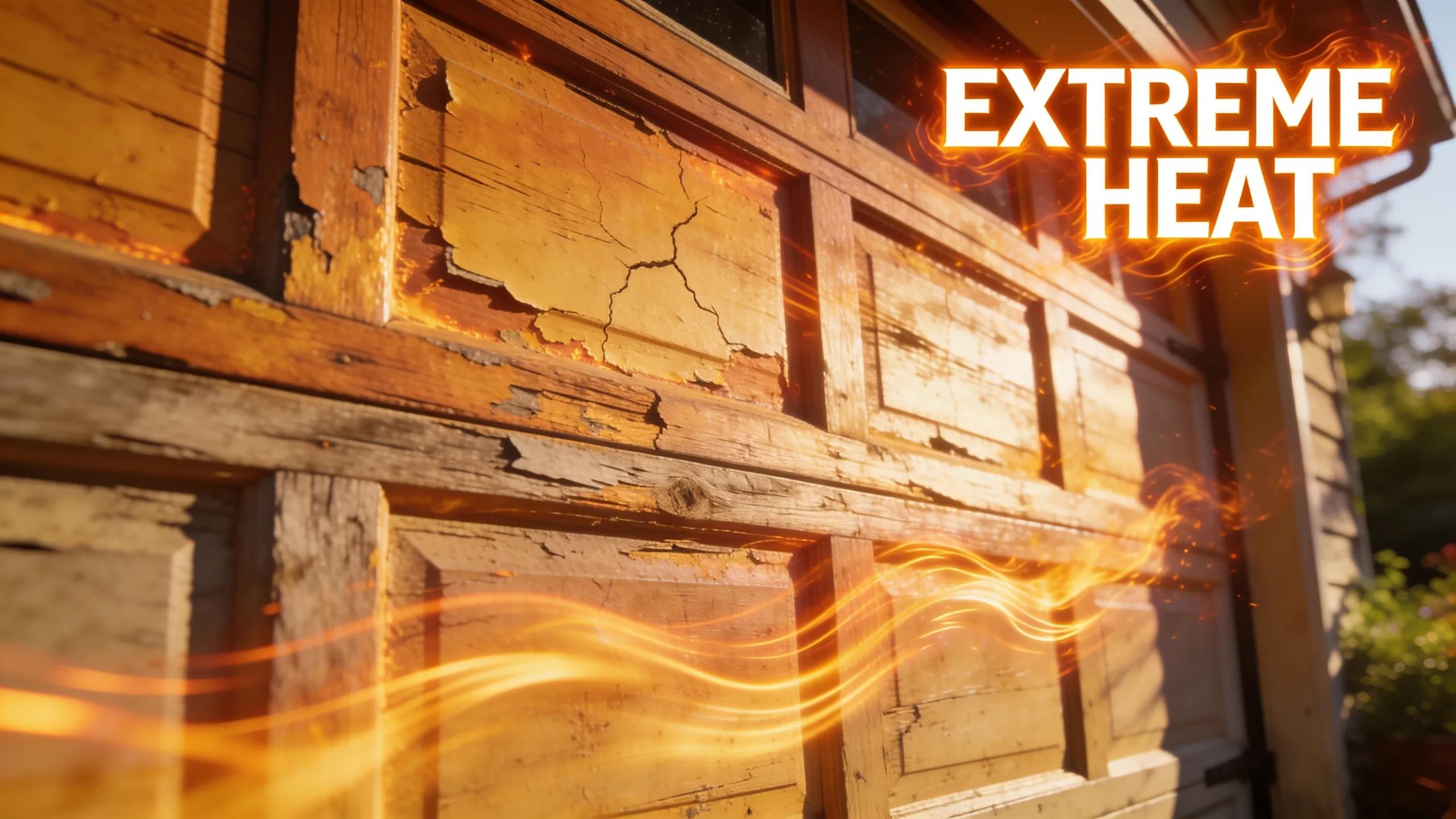
Heat primarily affects the structural integrity of garage door materials. Wooden doors are especially susceptible, as prolonged exposure can lead to warping and cracking due to the wood’s natural tendency to expand and contract with temperature changes. Metal doors, while more resilient, can still suffer from issues such as paint peeling and structural weak points developing under extreme heat conditions.
How Does Heat Impact Garage Door Springs and Rollers?
Garage door springs and rollers are critical for smooth operation and functionality. Elevated temperatures can cause springs to lose tension, resulting in insufficient support for the door’s weight. Additionally, rollers may become sticky and lag due to the heat affecting the grease used for lubrication, leading to performance problems. Regular lubrication is essential to prevent these issues from exacerbating.
In What Ways Does Heat Cause Warping and Material Degradation?
The mechanisms of heat damage include prolonged exposure to high temperatures that cause materials to lose their inherent moisture content. This process accelerates degradation, particularly in wooden structures. As the wood dries out, it may warp and develop cracks, diminishing its aesthetic appeal and functionality. Understanding these dynamics can help homeowners take preventative measures effectively.
How Does Humidity Contribute to Garage Door Rust and Corrosion?
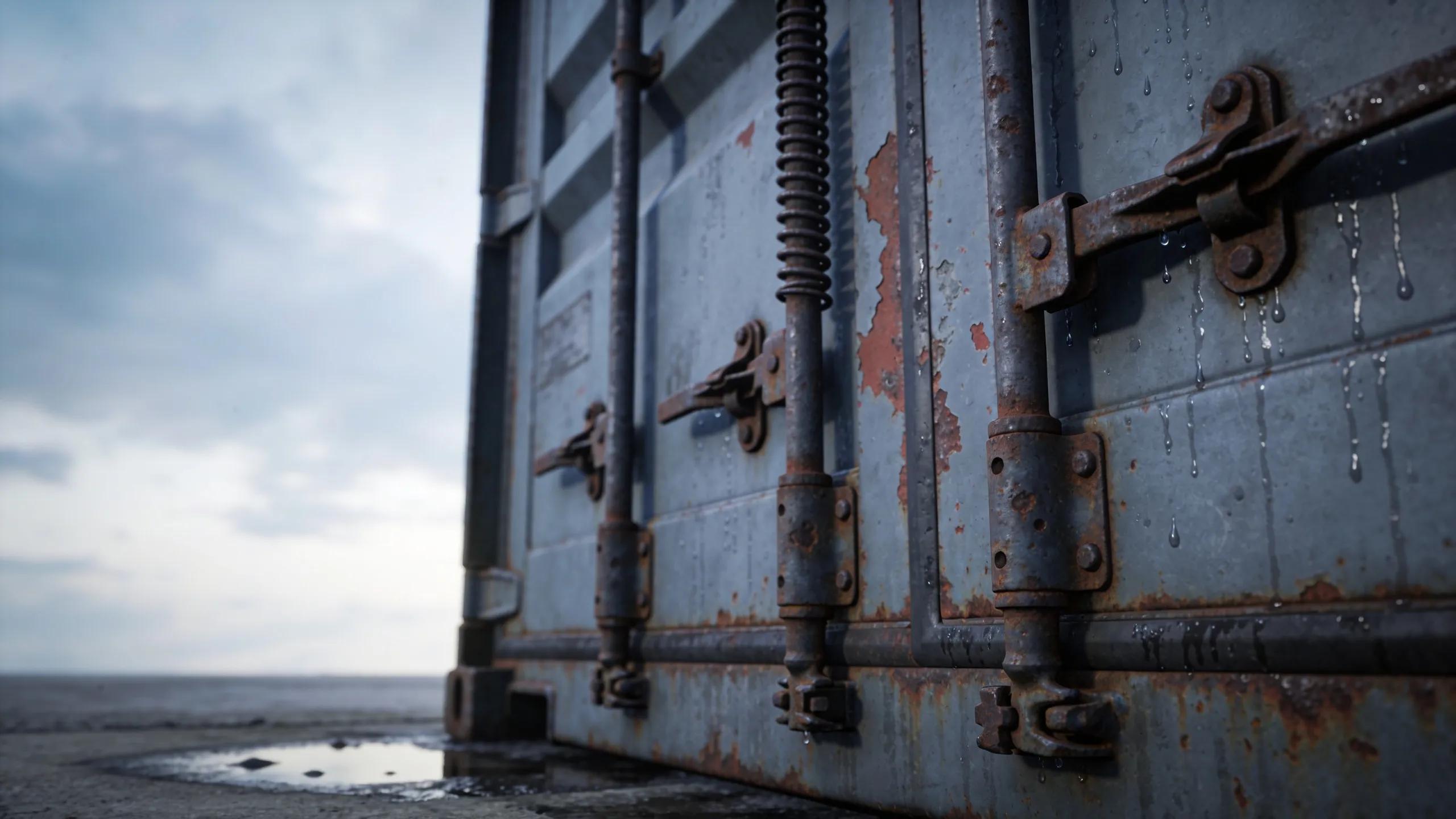
Humidity plays a significant role in the longevity of garage doors, particularly for those made of metal. In humid environments, moisture can easily settle on surfaces, leading to rust formation. This corrosion can weaken structural integrity, causing premature failure of crucial components. It is essential to maintain low humidity levels inside the garage through proper ventilation and regular monitoring of environmental conditions.
What Causes Rust Formation on Garage Door Parts in Humid Climates?
Rust forms on garage door parts due to a combination of moisture and oxygen, which react with the metal. This electrochemical process occurs more rapidly in areas with high humidity, promoting corrosion. Keeping garage door surfaces clean and applying protective coatings can help reduce the risk of rust formation.
Which Garage Door Components Are Most Vulnerable to Humidity Damage?
The components most vulnerable to humidity damage include springs, hinges, rollers, and tracks. Since these parts are primarily made from metal, they are at a greater risk of rusting when exposed to moisture. Regular inspections are vital to detect any signs of corrosion or wear and tear.
Prevention Strategies
Implementing effective prevention strategies is crucial to protect garage doors from the adverse effects of heat and humidity. Homeowners can take several steps to mitigate damage and extend the lifespan of their garage doors.
- Upgrade Insulation: Installing proper insulation can help regulate internal temperatures against external heat, reducing the risk of warping and degradation.
- Weatherproofing Seals: Ensuring that seals around the garage door are intact will prevent moisture from entering and reduce humidity levels within the garage space.
- Material Selection: Opting for durable materials that perform better under adverse conditions can significantly reduce maintenance needs in the long run.
To effectively implement these strategies, homeowners should consult with experts to ensure they select the best products and practices for their specific needs.
What Are the Benefits of Garage Door Insulation Against Heat and Humidity?
Insulating a garage door has multiple benefits; it helps maintain consistent temperatures, which is particularly important in extreme weather conditions. Proper insulation reduces thermal expansion, minimizing the risk of warping. Additionally, it acts as a barrier against moisture, thereby preventing corrosion and rust development in metal components.
How Does Insulation Reduce Heat Impact and Moisture Penetration?
Insulation helps by providing a thermal break between the external environment and the garage’s interior. It limits heat transfer during hot months, stabilizing temperatures and preventing material degradation. Furthermore, high-quality insulation materials can effectively manage moisture, creating a more controlled environment that reduces the likelihood of rust and moisture damage.
Maintenance Tips
Regular maintenance and inspection of garage doors can significantly enhance their ability to withstand heat and humidity. Homeowners should adopt a proactive maintenance routine to ensure optimal functioning and longevity.
- Regular Inspections: Regularly checking the door and its components for signs of wear, rust, or misalignment allows early identification of problems.
- Proper Lubrication: Applying lubricant to springs, rollers, and tracks helps maintain smooth operation and prevents the effects of heat impacting these components.
- Professional Servicing: Engaging professional garage door services can ensure comprehensive checks and repairs, addressing any potential issues before they escalate.What Are Key Garage Door Maintenance and Safety Checks for Summer Problems?Lubrication Checks: Ensure that all moving parts are well-lubricated to prevent sticking and wear.Visual Inspections: Look for signs of warping, cracking, or any loose components that may need tightening or replacing.Component Checks: Examine door mechanisms for wear and tear, including essential parts and accessories.Which Maintenance Steps Prevent Heat and Humidity Damage?Homeowners can take proactive maintenance steps to shield their garage doors from environmental damage. Proper sealing, regular cleaning, and timely repair of any minor garage door repairs can extend the functional life of garage doors and prevent larger costs down the line.How Do Safety Inspections Identify Early Signs of Environmental Damage?Safety inspections are crucial in identifying early signs of environmental damage. These inspections should include a thorough examination of all components to assess functionality. Regular checks ensure that any wear or potential failures are addressed promptly, maintaining safety and reliability.In summary, understanding how heat and humidity affect garage doors enables homeowners to take informed steps toward prevention and maintenance. By adopting proper insulation, conducting routine maintenance, and ensuring suitable material selections, homeowners can significantly prolong the lifespan of their garage doors and enhance their performance in varying environmental conditions. Remember, timely intervention is the key to effectively managing and mitigating the effects of heat and humidity on your garage door.