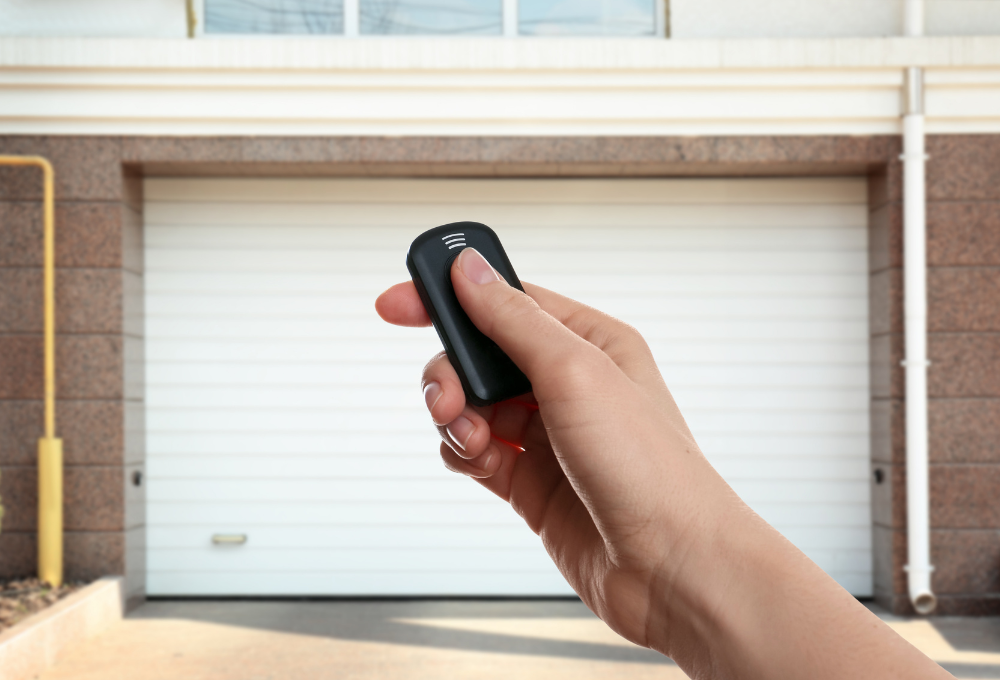


On a cold California morning, you press the garage door button and hear a loud snap. The door barely moves. That sound often means your garage door springs in cold weather have tightened or cracked. Temperature changes make metal contract, putting extra pressure on already-worn parts. What worked fine in summer can fail overnight once the air cools.
These cold-weather garage door problems are common but avoidable. Springs, rollers, and cables all react to moisture and temperature swings. If they are not maintained, the door may open unevenly or stop halfway. The strain can even damage the opener.
This guide explains why cold weather affects your garage door, how to spot early signs of spring wear, and what simple steps can prevent costly damage. With proper care, your door will stay smooth and safe all winter long.
Why Cold Weather Impacts Garage Door Springs
When temperatures drop, metal contracts. The change puts extra strain on the coils that lift your garage door. Over time, this stress makes the steel brittle. That’s why many homeowners notice that garage door springs in cold weather often lose tension or break without warning. The problem gets worse when the metal expands and contracts repeatedly between cold nights and mild afternoons.
Moisture adds to the stress. When humidity mixes with low temperatures, condensation can form on the springs. This leads to rust and weak spots that make the metal snap faster. These cold-weather garage door problems can leave you stuck outside or damage other moving parts, like cables or openers.
Regular checks and minor fixes can prevent major issues. Our broken garage door springs service helps detect early wear before it becomes dangerous. If your door feels heavy, uneven, or noisy, call our experts for quick garage door repairs. Fixing these small issues early keeps your door running safely through every cold season.
Common Cold Weather Garage Door Problems
When temperatures drop, garage doors show signs of stress. The springs, rollers, and tracks react to the cold, causing new noises or slower movement. These cold-weather garage door problems are common in areas with shifting day and night temperatures. Knowing the signs early helps you avoid bigger repairs and costly downtime during winter.
Springs Lose Tension or Snap
The most frequent issue is spring failure. Cold air makes steel contract, and the tension can cause the coils to weaken or break. When garage door springs in cold weather lose flexibility, the door may not lift evenly. For safety, do not try to fix it yourself. A professional should handle broken garage door springs to avoid injury and ensure balance.
Noisy and Stiff Door Movement
Cold air thickens grease and makes parts stiff. This is why your door may creak or move unevenly. Lubricating hinges and rollers can reduce the strain. If noise continues, explore our noisy door solutions for safe, lasting fixes. To avoid freezing or corrosion, review our guide on protecting your garage door from weather.
How to Prevent Weather-Related Spring Damage
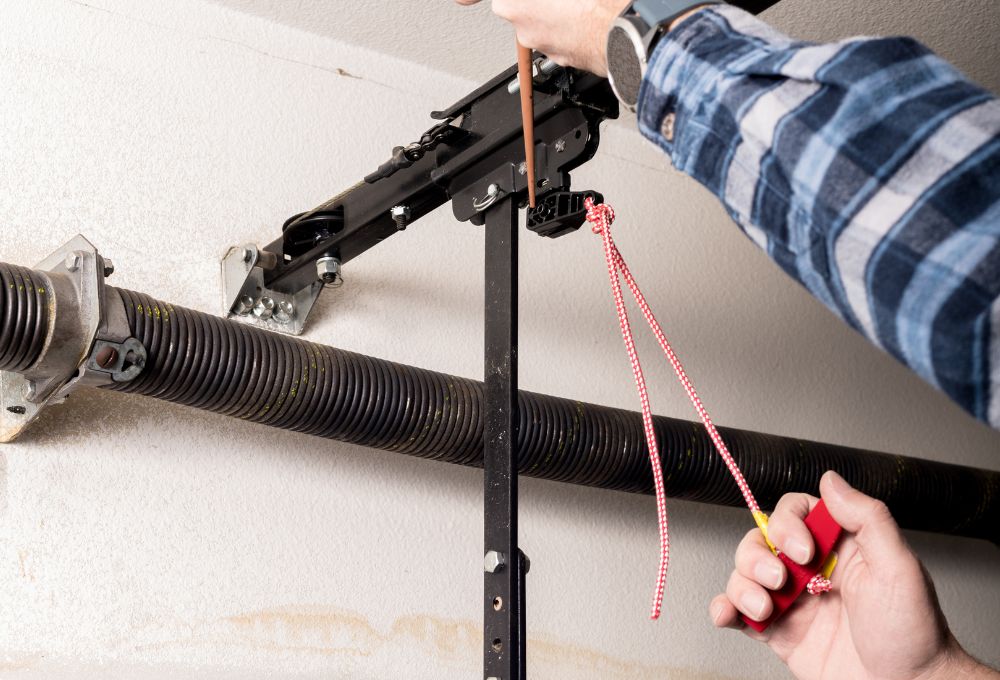
Proper care is the best way to avoid cold-weather garage door problems. Cold air, moisture, and dust can wear down your springs faster than normal. To protect them, inspect the door at least once a month. Look for small cracks, loose parts, or signs of rust. Cleaning the springs gently with a dry cloth helps prevent buildup and corrosion.
Lubrication is key when temperatures drop. Use a silicone-based spray to keep the coils flexible. This simple step helps your garage door springs in cold weather move smoothly and last longer. It also prevents the metal from snapping under pressure. Always apply lubricant evenly and wipe away excess to avoid grime buildup.
Scheduling a yearly garage door safety inspection ensures every part works as it should. You can also follow our expert tips on maintaining your garage door for long-term care. A few minutes of routine attention today can save costly repairs in the future.
Repair or Replace Damaged Springs?
It can be hard to tell when a spring needs fixing or when it’s time to replace it. Cold weather makes metal fragile, which means minor cracks can quickly grow worse. Knowing the difference between small cold weather garage door problems and full damage helps you make the right choice.
When Repair Is Enough
If the damage is light or the spring still holds tension, a repair might do the job. Small rust spots or loose connections can be fixed with high-quality parts. Our expert garage door repair team can inspect and replace worn pieces using strong garage door parts and accessories. Timely repairs restore balance and prevent further wear during chilly months.
When Replacement Is the Better Option
If garage door springs in cold weather snap or rust through completely, replacement is the safer choice. Old or corroded springs can’t handle daily stress and may break again soon. Replacing them with durable materials from our new garage door range ensures smoother performance and long-term safety. Investing in new parts now protects your door for years to come.
Keep Your Garage Door Working Smoothly All Winter
Cold air doesn’t just make mornings harder; it also challenges your garage door. As the season shifts, small issues can turn into bigger ones fast. Springs, rollers, and sensors work harder when it’s cold, so early care prevents breakdowns. Many cold-weather garage door problems start from missed maintenance or worn parts that go unnoticed until it’s too late.
A quick check can keep everything running safely. Schedule a full garage door safety inspection before winter peaks. Our team will test springs, cables, and openers to catch problems early. This keeps your door strong, quiet, and balanced, even in chilly weather. With simple seasonal care, your system will last longer and work more efficiently.
If your garage door springs in cold weather feel weak or noisy, don’t wait for a full break. Get professional help today. For fast service, expert care, and honest advice, contact Garage Door CA now. Our trained technicians are ready to repair, replace, or tune your door so it performs perfectly all winter long.