
Your garage door remote worked perfectly yesterday. Today, you press the button, and nothing happens. You try again, and suddenly it works. Tomorrow, it might fail three times before finally opening the door. This unpredictable behavior is incredibly frustrating.
A garage door remote works sometimes, but not others, creating real problems in your daily routine. You can’t rely on it when you’re in a hurry or during bad weather. Sometimes you sit in your driveway pressing the button repeatedly. Other times, it responds instantly on the first try. This inconsistency makes you wonder if you need a new remote or if something else is wrong.
This guide explains the most common reasons remotes fail intermittently instead of breaking completely. You’ll learn about signal interference, battery issues, and distance problems. We’ll cover simple fixes you can try right away. Most importantly, you’ll understand when the problem needs professional attention versus a quick DIY solution.
How Garage Door Remotes Actually Work
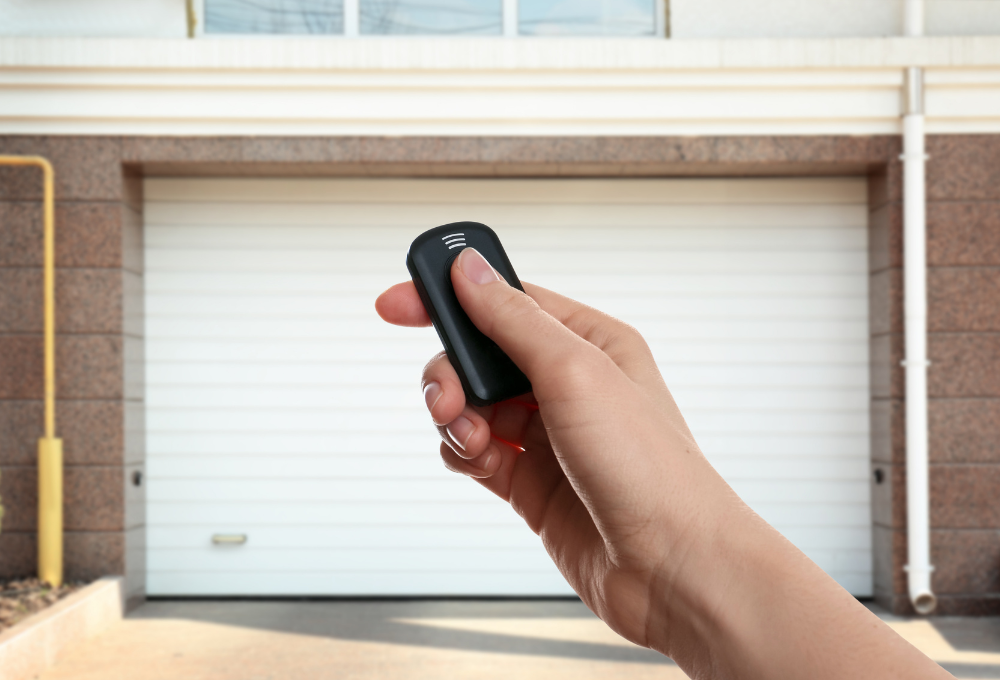
Remotes send radio frequency signals to receivers built into your garage door opener. When you press the button, the remote transmits a coded signal. The receiver in your opener recognizes this code and activates the motor. This wireless communication happens in milliseconds when everything works properly. Modern remotes use rolling codes that change with each use for security.
Signal strength depends on batteries, distance, and interference from other electronics. Fresh batteries provide strong, consistent signals that reach the receiver easily. As batteries weaken, the signal becomes less reliable. Distance also affects performance because radio waves lose strength as they travel. Environmental factors like temperature and humidity play a role, too.
Intermittent problems suggest weak or disrupted signals rather than complete failure. A dead remote won’t work at all. A garage door remote works sometimes when signals reach the receiver inconsistently. Think of it like a weak cell phone connection that drops calls randomly. The system functions properly, but communication breaks down unpredictably. Understanding this helps you identify where the opener system needs attention.
Common Causes of Intermittent Remote Failures
Several factors cause remotes to work inconsistently rather than failing completely. Complete failure usually means dead batteries or broken internal components. Intermittent problems are trickier because they come and go without warning. Understanding these causes helps you fix the right problem instead of guessing.
Weak or Dying Batteries
Batteries don’t die instantly but lose power gradually over months of use. A fresh battery provides 3 volts of power consistently. As it depletes, the voltage drops to 2.5 volts, then 2 volts, and lower. Your remote needs a minimum voltage to transmit signals reliably. Weak batteries sometimes provide enough power and sometimes don’t.
This explains why your garage door remote works sometimes, based on battery condition. Cold temperatures temporarily reduce battery power even further. You might notice worse performance in winter mornings. The remote works better later when temperatures rise and batteries warm up. Replacing batteries every six to twelve months prevents this frustrating situation.
Signal Interference From Other Devices

WiFi routers, LED lights, and electronics create radio interference throughout your home. These devices operate on various frequencies that can overlap with garage door remotes. Most remotes use frequencies between 300 and 390 MHz. LED bulbs in your garage or nearby can generate electrical noise in this range.
Interference blocks or weakens your remote’s signal randomly, depending on what’s running. Your neighbor’s devices also contribute to the interference problem. When multiple sources interfere simultaneously, signals fail completely. Other times,s the path stays clear and everything works perfectly. This randomness makes the problem hard to predict or diagnose without testing.
Dirty or Damaged Remote Buttons
Dirt and moisture affect button contact points inside the remote housing. Every time you press the button, two metal contacts must touch to complete a circuit. Dust, skin oils, and humidity create a film on these contacts. Sometimes the connection works, and sometimes it doesn’t make proper contact.
Worn buttons don’t make consistent electrical connections after years of daily use. The rubber button presses a membrane switch underneath. This membrane wears thin or develops cracks over time. You might need to press harder or hold the button longer for it to work. Cleaning or replacing remote components solves these mechanical issues.
Distance and Antenna Problems
The maximum range decreases as batteries weaken over time in your remote. A new remote with fresh batteries might work from 50 feet away. After several months, that range drops to 30 feet, then 20 feet. You don’t notice this gradual decline until you’re at the edge of the working range. Sometimes you’re close enough for the weak signal to work, and sometimes you’re just beyond reach.
Damaged or disconnected antenna wires reduce receiver sensitivity inside your opener unit. The antenna hangs down from the motor housing as a thin wire. It can get knocked loose during maintenance or damaged by accident. A partially connected antenna picks up signals inconsistently. Strong signals from close range still work, but weaker signals from farther away fail randomly. This makes your garage door remote work sometimes, depending on where you’re standing.
Metal objects and walls block radio signals differently each time you use the remote. Your car’s metal body reflects and absorbs radio waves. The signal might bounce around inside your vehicle before reaching the receiver. Sometimes it gets through clearly, and sometimes it doesn’t penetrate well. Even your position in the car matters because your body also blocks signals. Professional system repairs address antenna and receiver problems that simple fixes can’t solve.
Quick Fixes for Unreliable Remotes
Replace batteries first and reprogram the remote if needed according to your owner’s manual. Use quality alkaline batteries rather than cheap ones that die quickly. After installing new batteries, test the remote from various distances. If it still fails intermittently, try reprogramming it to the opener. The programming process clears old codes and establishes a fresh connection. Most openers have a learn button that makes programming simple.
Clean button contacts and check for visible damage on the remote’s exterior. Open the remote case carefully and look for corrosion or dirt. Use a cotton swab with rubbing alcohol to clean the circuit board and button contacts. Let everything dry completely before reassembling. Check the buttons for cracks or excessive wear. Sometimes you’ll find moisture inside from rain or humidity. A thorough inspection reveals problems that aren’t obvious from the outside.
Move interference sources away from the opener or replace the remote entirely. Unplug nearby electronics temporarily to test if interference is the problem. Replace LED bulbs in your garage with traditional incandescent bulbs. If your garage door remote works sometimes even after these changes, you might need a new remote or receiver. Modern remotes with updated technology resist interference better than older models. Consider upgrading to a newer remote system if yours is more than ten years old.
Get Reliable Garage Door Operation Today
Intermittent remote problems are frustrating but usually fixable with simple solutions. Fresh batteries, clean contacts, and proper programming solve most issues quickly. You’ve learned the main causes behind unreliable remotes and how to troubleshoot them. Many homeowners fix these problems themselves in just a few minutes. The key is identifying whether the issue comes from the remote, interference, or the opener system.
Professional help solves persistent issues that basic fixes can’t address. Technicians have specialized equipment to test signal strength and receiver function. They carry replacement remotes and can upgrade your entire system if needed. Expert diagnosis saves you from buying unnecessary parts or replacing remotes that aren’t actually broken. A garage door remote works sometimes for specific reasons that trained eyes identify quickly.
Don’t live with unreliable garage door access when solutions are available right now. Every failed attempt wastes your time and tests your patience. Whether you need a simple battery replacement or a complete system service, getting help ensures consistent performance. Contact us today to fix your intermittent remote problems and enjoy reliable garage door operation every single time.