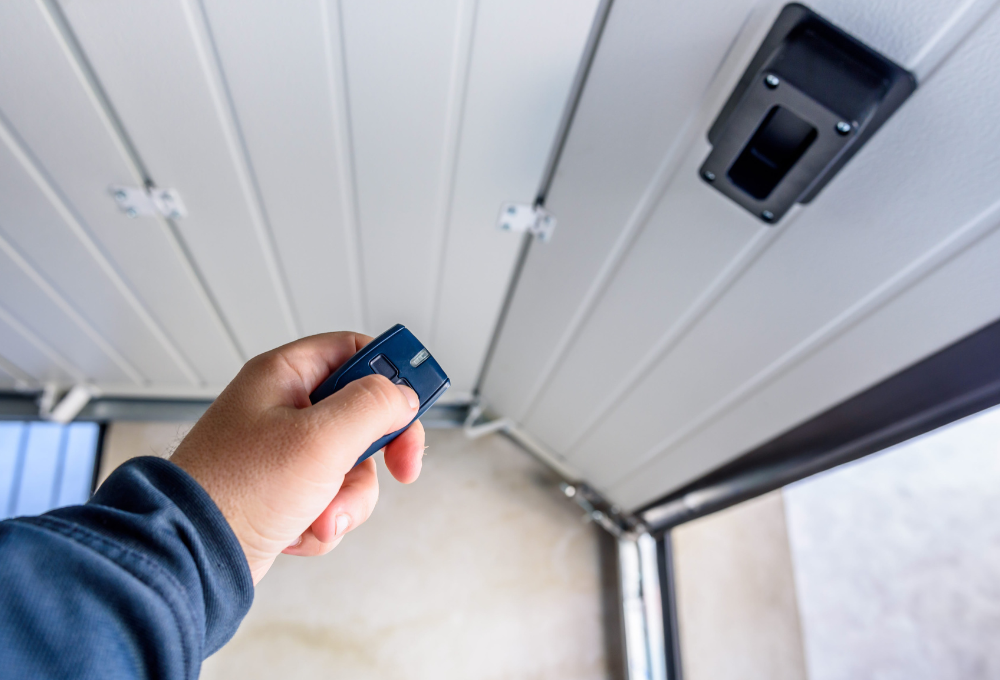
You press the button on your remote and wait for your garage door to open. Nothing happens. You press it again, harder this time, but the door still won’t move. A garage door opener not responding creates instant frustration and disrupts your entire day.
A non-responsive opener leaves you stuck outside in bad weather or trapped inside your garage. You can’t get your car out for work or appointments. Your home’s security might be compromised if the door won’t close properly. These situations demand quick solutions, but panic won’t help you figure out what’s wrong.
This guide walks you through the most common reasons openers stop working. You’ll learn simple checks you can do yourself in just a few minutes. We’ll cover everything from dead batteries to sensor problems to power issues. Most importantly, you’ll know when to handle it yourself and when to call for professional help.
Understanding Why Garage Door Openers Stop Responding
Garage door openers contain motors, circuit boards, sensors, and remote receivers that work together. Each component plays a specific role in the system. The motor provides power to lift the door. Circuit boards process commands from your remote or wall button. Sensors prevent the door from closing on objects or people. When any part fails, your garage door opener not responding becomes the immediate result.
Power issues, sensor problems, and remote malfunctions cause most opener failures. A tripped circuit breaker cuts power to the entire unit. Misaligned sensors think something blocks the door’s path. Dead remote batteries prevent signals from reaching the receiver. These common problems have simple solutions that don’t require technical expertise. However, some issues involve worn gears, burned-out motors, or damaged circuit boards.
Some fixes take just minutes while others need professional diagnosis and garage door openers replacement. Checking batteries or resetting a circuit breaker is straightforward. Replacing internal components requires specialized tools and knowledge. Understanding the difference helps you decide your next step. You’ll save time and avoid making problems worse with incorrect repairs.
Quick Checks You Can Do Right Now
Start with these simple troubleshooting steps before calling a technician. Most homeowners can complete these checks in less than ten minutes. You don’t need special tools or technical knowledge. These basic steps solve the majority of opener problems and get your door working again quickly.
Check Your Power Source and Circuit Breaker
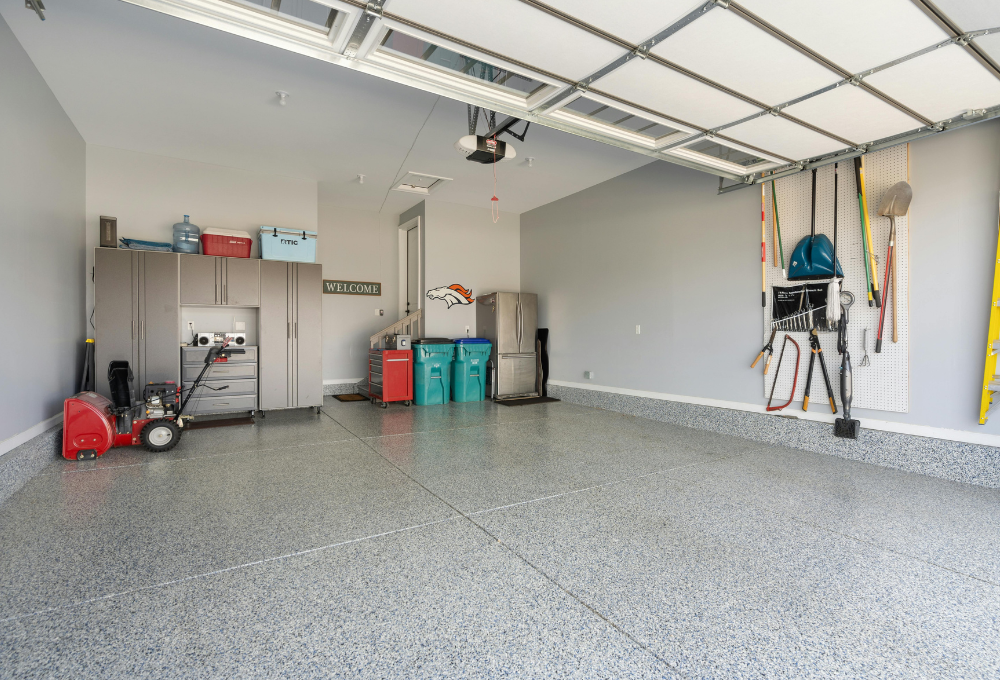
Make sure the opener unit has power and is plugged in securely. Look at the motor housing on your ceiling for any indicator lights. Most modern openers have small LED lights that show power status. If you don’t see any lights, the unit might not be getting electricity at all.
Check your home’s circuit breaker panel for tripped switches that control the garage. A tripped breaker flips to the middle position between on and off. Reset it by switching it fully off, then back on again. Power surges during storms often trip breakers. This simple fix solves many cases of a garage door opener not responding.
Test Your Remote Batteries and Wall Button
Dead batteries are the most common cause of remote failures throughout Orange County. Replace the batteries in your remote control even if they seem partially functional. Weak batteries send inconsistent signals that confuse the receiver. Use fresh batteries and test the remote again after replacement.
Try the wall button to see if the problem is just the remote or the entire system. The wall button connects directly to the opener with wires. If it works but your remote doesn’t, you’ve isolated the issue. Multiple remotes failing at once suggests a receiver problem rather than battery issues. Regular parts and accessories maintenance prevents these frustrating situations.
Inspect Safety Sensors for Blockages or Misalignment
Sensors must face each other perfectly to allow the door to operate properly. These small units sit on each side of your garage door near the floor. They create an invisible beam across the opening. When something breaks this beam, the door won’t close for safety reasons.
Clean sensor lenses and check for objects blocking the beam between them. Dust, spider webs, or dirt on the lens can interrupt the signal. Gently wipe both sensors with a soft cloth. Make sure nothing sits in the door’s path, even small items like toys or tools. Bumping a sensor out of alignment happens easily and causes your garage door opener not responding. Adjust them until the indicator lights show solid rather than blinking.
When Your Opener Has Power But Still Won’t Work
The disconnect switch might be engaged accidentally by someone in your household. This red handle hangs from the opener trolley on a rope or cord. It lets you operate the door manually during power outages. When engaged, the opener motor runs but won’t move the door. Pull the handle toward the motor to reconnect it. You’ll hear a click when it locks back into place.
Frozen or stuck doors can prevent the opener from operating even when everything else works. Ice builds up along the bottom seal during winter months. The door essentially freezes to the garage floor. Your opener tries to lift but can’t overcome the resistance. This situation strains the motor and can damage gears. Never force a stuck door. Break the ice seal carefully or wait for warmer temperatures. A garage door opener not responding might actually be protecting itself from damage.
Internal mechanical failures require professional attention beyond basic troubleshooting steps. Stripped gears inside the motor housing create grinding sounds but no movement. Broken drive belts or chains disconnect the motor from the trolley. Circuit board failures prevent the opener from processing any commands. These problems need expert diagnosis and proper replacement parts. Attempting these repairs yourself often voids warranties and creates safety hazards.
Signs You Need Professional Garage Door Opener Service
Strange grinding noises or burning smells indicate motor problems that need immediate attention. The motor bearings might be failing, or internal components are rubbing together. A burning smell suggests electrical problems or overheated circuits. These warning signs mean your opener is failing and could stop working completely soon. Continuing to use a noisy opener risks total failure and potentially dangerous situations.
Multiple remote controls stop working at the same time for reasons beyond dead batteries. The receiver board inside your opener might be damaged or worn out. Radio frequency interference from nearby devices can block signals. Sometimes the antenna wire inside the motor housing becomes disconnected or damaged. When fresh batteries don’t solve the problem across all remotes, professional diagnosis identifies the real issue quickly.
The opener runs but the door doesn’t move at all despite the disconnect switch being engaged. This symptom points to broken drive components inside the opener mechanism. The trolley carriage might be damaged or the rail assembly could be bent. Drive gears strip over time and can’t transfer power to the door anymore. A garage door opener not responding to commands or running without results needs immediate professional service. These mechanical failures only get worse with continued use and can damage other components.
Get Your Garage Door Opener Working Again
Simple troubleshooting solves many common opener problems quickly and saves you money. Checking batteries, resetting breakers, and cleaning sensors takes just minutes. These basic steps get most garage door openers working again without professional help. You’ve learned which problems you can fix yourself and which ones need expert attention.
Professional technicians diagnose complex issues efficiently with specialized tools and years of experience. They carry replacement parts for immediate repairs during the same visit. Trained experts understand how all opener components work together. They spot problems you might miss and prevent future breakdowns. A garage door opener not responding often signals deeper issues that only professionals can identify safely.
Don’t struggle with a non-responsive opener when help is just a phone call away. Every day without a working garage door creates inconvenience and security concerns. Whether you need simple repairs or complete opener replacement, getting professional service protects your investment. Contact us today to schedule your service call and get your garage door opener working properly again.