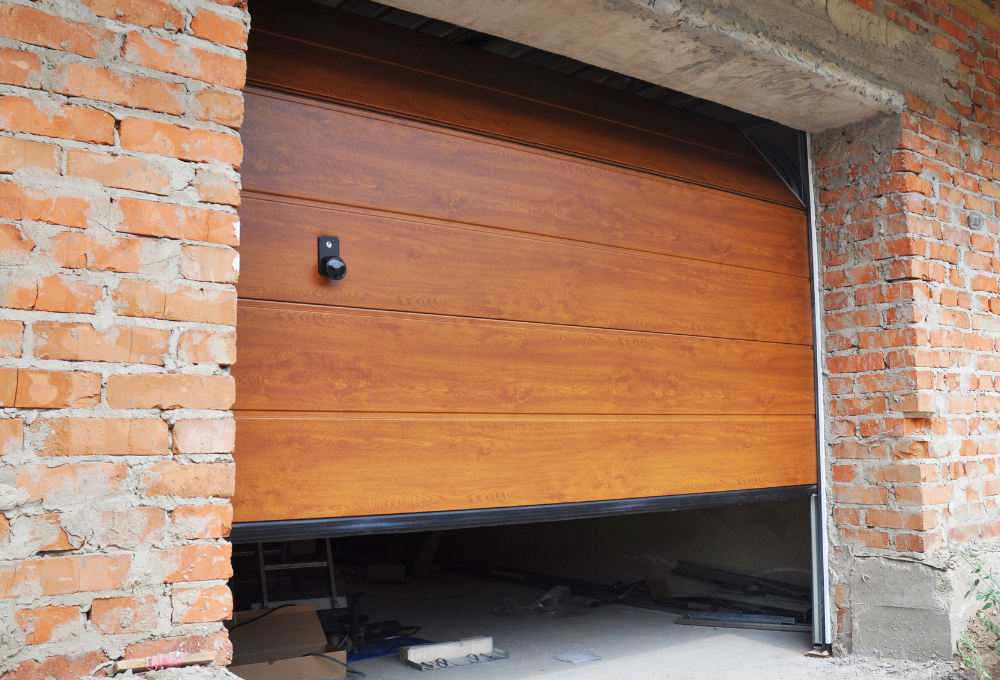
Your garage door opens and closes dozens of times each week. It protects your car, your belongings, and your family. Most homeowners never think twice about it until something goes wrong. Aging garage doors can develop serious safety problems that put everyone at risk.
Many people ignore the warning signs because the door still works. A little noise here, a slight hesitation there. These small issues often signal bigger problems underneath. Worn springs, frayed cables, and faulty sensors don’t fix themselves. They get worse over time and can lead to injuries or property damage.
This guide will help you spot the hidden dangers in older garage doors. You’ll learn which safety risks matter most and how to protect your family. We’ll cover the warning signs you shouldn’t ignore and what to do next. Understanding these risks helps you make smart decisions about repairs and replacements.
Why Aging Garage Doors Become Safety Hazards
Garage doors contain springs, cables, rollers, tracks, and sensors that work together. Each part experiences stress every time you open or close the door. Over the years, this constant movement wears down metal components and weakens their structure. Small problems turn into major hazards when parts fail without warning.
Older garage doors often lack the safety features that come standard on newer models. Many doors installed 15 or 20 years ago don’t have modern auto-reverse sensors or updated spring systems. These missing features create serious risks that need professional repair as your door ages. Technology has improved significantly, but older systems can’t protect your family the same way.
Metal fatigue affects every mechanical system eventually. Springs lose their tension, cables develop weak spots, and moving parts create friction that damages tracks. The door might work fine one day and fail completely the next. Regular use speeds up this deterioration, especially if your door opens and closes multiple times daily. Understanding how aging garage doors deteriorate helps you stay ahead of potential problems.
Common Safety Risks in Aging Garage Doors
These problems develop slowly and often go unnoticed until something breaks. Most homeowners don’t check their garage door components regularly. By the time you notice an issue, the damage might already pose a safety threat. Here are the most dangerous problems that affect aging garage doors.
Worn or Broken Springs
Springs hold the entire weight of your garage door. A standard residential door weighs between 150 and 300 pounds. The springs balance this weight and make opening easy. Most springs last about 10,000 cycles, which equals roughly seven to ten years of normal use. After that, they weaken and eventually snap.
Broken springs can cause doors to slam shut suddenly and without warning. This creates a crushing hazard for anyone standing nearby. Broken springs also damage other door components when they fail. You might hear a loud bang when a spring breaks, or your door might refuse to open at all.
Frayed Cables and Damaged Rollers
Cables work alongside springs to lift and lower your door safely. These steel cables can fray from constant friction and stress. Small strands begin to break away from the main cable. Eventually, the entire cable snaps, and the door loses support on one side.
Worn rollers create noise and make doors unstable during operation. The wheels that guide your door along the tracks wear down over time. Metal rollers rust and plastic ones crack. When rollers fail, your door can jump off its tracks or move unevenly. Replacing worn parts and accessories prevents these dangerous situations.
Faulty Safety Sensors and Auto-Reverse Features
Older doors may have outdated or missing sensors entirely. Modern garage doors use photo-eye sensors near the floor. These sensors detect objects in the door’s path and stop it from closing. Doors installed before 1993 might not have any safety sensors at all.
Sensors that don’t work properly create serious injury risks for children and pets. A malfunctioning sensor won’t stop the door if something blocks its path. Dirt, misalignment, or damaged wiring can disable these critical safety features. Testing your sensors monthly helps ensure they work when you need them most.
Warning Signs Your Aging Garage Door Needs Attention
Strange noises like grinding, squeaking, or scraping sounds tell you something is wrong. Your garage door should operate smoothly and quietly. Loud grinding usually means worn gears in the opener or damaged rollers. Squeaking indicates parts that need lubrication or replacement. Scraping sounds suggest the door is rubbing against the frame or tracks. These noisy doors need immediate attention before small problems become dangerous failures.
Your door should move evenly from top to bottom without hesitation. If it gets stuck halfway or jerks during operation, the balance is off. This imbalance puts extra stress on the opener and other components. One side might move faster than the other, creating dangerous tension on springs and cables. Doors that struggle to open or close completely signal serious mechanical problems that will only get worse.
Visible rust, cracks, or bent panels weaken the structural integrity of aging garage doors. Rust eats through metal and creates weak points where parts can break. Cracks in panels allow moisture inside and speed up deterioration. Bent sections prevent proper sealing and affect how the door moves. These visual signs are easy to spot during a quick inspection. Don’t ignore them, because they indicate your door is reaching the end of its safe lifespan.
How to Protect Your Family From Garage Door Hazards
Schedule regular professional inspections at least once a year for your garage door. Trained technicians spot problems that homeowners miss during casual observation. They check spring tension, cable condition, roller wear, and sensor alignment. Annual safety inspections catch small issues before they turn into expensive repairs or dangerous situations. This preventive approach saves money and protects your family from unexpected failures.
Test your safety features monthly and replace worn parts immediately when problems appear. Push the photo-eye test button on your opener to verify the sensor’s work. Place an object in the door’s path to confirm it reverses automatically. Listen for unusual sounds and watch how smoothly the door moves. When you notice anything wrong with aging garage doors, address it right away instead of waiting for complete failure.
Never ignore warning signs or attempt complex repairs yourself without proper training. Garage door springs store tremendous energy and can cause serious injuries when handled incorrectly. Cables under tension can snap and strike you. DIY repairs often make problems worse and void manufacturer warranties. Professional technicians have the tools, knowledge, and experience to fix issues safely. They understand how all components work together and can prevent future problems during routine service calls.
Keep Your Home Safe With Professional Garage Door Service
Aging garage doors need expert attention to stay safe and functional for your family. The risks we’ve covered aren’t just theoretical problems. They happen to real homeowners every day across Orange County. Worn springs snap, cables break, and sensors fail without warning. These failures can injure people, damage vehicles, and create security vulnerabilities in your home.
Professional technicians catch problems before they become dangerous or expensive. They bring years of experience and specialized tools to every inspection. A trained eye spots issues that seem minor now but could cause major problems later. Regular maintenance extends your door’s lifespan and keeps all safety features working properly. Prevention costs far less than emergency repairs or medical bills from preventable accidents.
Don’t wait for an emergency to address your garage door’s condition. The warning signs we discussed today deserve immediate attention. Whether you need repairs, part replacements, or a complete system upgrade, getting help now protects what matters most. Contact us today to schedule your safety inspection and ensure your aging garage doors operate safely for years to come.